

Last updated: November 18, 2026
The short answer: If you are wondering why did my cat poop on my bed, the most common reasons are a problem that makes pooping uncomfortable, like constipation, diarrhea or sore joints, a litter box your cat has started to avoid, or stress at home. Your cat is not punishing you. Book a vet check first, clean the bedding with an enzyme cleaner, then fix the litter box setup and keep the bed off limits for a few weeks.
Important: This guide is general information, not veterinary advice. A cat who keeps straining in the box and passes little or nothing needs a vet the same day, because constipation and a urinary blockage can look alike at home.
This guide is based on advice from VCA Animal Hospitals, the Cornell Feline Health Center and the ASPCA. The two products below are research based. We have not used them at home.
Why Would a Cat Choose the Bed?
Finding poop on your duvet feels personal. It is not. Vets describe house soiling as a sign that something about your cat’s body, litter box or home is not working for them. The bed tends to be the backup spot for a few simple reasons:
- It is soft. The ASPCA notes that some cats develop a preference for soft surfaces, and bedding is one of them.
- It smells like you. A cat who feels unsettled may feel safer in a spot full of your scent.
- It is raised and quiet. A cat who gets ambushed at the litter box by another pet can see the whole room from the bed.
- The box became a bad place. If pooping hurt last time, your cat may link that pain to the box and try somewhere else.
Many owners notice a cat who still pees in the box but poops elsewhere. The ASPCA mentions that some cats use the box for only one of the two. That pattern is a strong hint that pooping itself, or the box for pooping, has become a problem.
Medical Causes to Rule Out First
VCA lists colitis, constipation and anal sac disease among the conditions to rule out when stool shows up outside the box. Cornell adds that digestive problems can make defecating painful, raise how often or how urgently a cat needs to go, and reduce control. Cats often hide illness, so a cat who seems fine can still have a problem.
Constipation
According to VCA, most cats poop about once a day. Signs of constipation include repeated attempts with little result, small, hard, dry stool, straining or crying in the box, and sometimes going outside it. VCA also lists hairballs, dehydration, arthritis pain, obesity and lack of exercise among the causes. A cat who goes two to three days without a bowel movement should see a vet.
Diarrhea and urgency
Loose stool can come on fast. A cat with an upset gut may simply not make it to the box, especially if the box is far from where they sleep. One accident with obvious diarrhea, then normal stool, is less worrying than a pattern. Repeated soft stool needs a vet visit.
Joint pain and getting older
VCA notes that joint, nerve and muscle problems can make it hard for a cat to reach the box, climb in and hold a squat. Cornell adds that age-related problems with mobility or memory can make it harder to get there in time. A senior cat who poops right next to the box or on a soft spot nearby often fits this picture. A senior cat litter box with a low entry can help a lot here.
Anal sac trouble
Sore or full anal sacs can make pooping uncomfortable. If your cat scoots or licks under the tail a lot, mention it to your vet.
Litter Box Reasons
Once your vet has ruled out a medical cause, look hard at the box. Both Cornell and VCA list the same suspects:
- Not clean enough. Scoop at least once a day. VCA suggests a full clean about weekly, and Cornell suggests a gentle detergent rather than strong cleaners that leave a smell.
- Too small, too tall or covered. Cornell notes that large cats need bigger boxes and older cats need low sides, and that many cats dislike covers. VCA adds that covered boxes can trap odor.
- The wrong litter. Most cats prefer unscented, fine litter, according to Cornell. The ASPCA suggests a shallow layer of one to two inches.
- A bad location. Noisy spots near a washer or furnace, busy hallways and boxes up or down stairs can all put a cat off, says VCA.
- Too few boxes. Cornell suggests one more box than the number of cats, in quiet, easy-to-reach places.
- An old box. VCA notes that a long-used box can hold odor and may need replacing.
If the bed is not the only new spot, and your cat has gone off the box in general, our guide for a cat suddenly not using litter box situation walks through what usually changed.
Stress, Other Pets and Changes at Home
VCA notes that frustration, stress and anxiety can play a part in house soiling. Common triggers are a move, a new person or pet, a change in your schedule, or tension between cats.
VCA also points out a useful clue: stool left in a line, rather than one neat pile, may mean the cat was pooping while fleeing another cat, or may point to constipation. If you have more than one cat and are not sure who is responsible, Cornell says a vet may suggest feeding a little non-toxic colored crayon shaving so the stool is easy to identify.
What helps:
- Spread boxes, food and resting spots around the home so no cat has to pass a rival to reach them.
- Keep meals, play and bedtime at steady times.
- Give your cat a short, active play session every day.
- Ask your vet about a pheromone diffuser or, for some cats, medication. VCA notes that medication can help when anxiety is part of the picture, but not when the issue is a box or surface preference.
How to Clean It So the Smell Does Not Pull Your Cat Back
- Remove solids with paper towels or a bag, lifting rather than smearing.
- Treat the spot with an enzyme cleaner made for pet messes. The ASPCA recommends an enzymatic cleaner and warns against ammonia-based products. Cornell also says to skip vinegar-based cleaners.
- Wash bedding on the warmest setting the label allows. Run a second cycle if any smell remains.
- Check the mattress. If anything soaked through, treat it with the enzyme cleaner and let it dry fully.
- Use a waterproof mattress cover while you work on the cause.
Products That Can Help
For the cleanup: Nature’s Miracle Cat Urine Destroyer Plus
Who it suits: Anyone dealing with a mess on a mattress, rug or bedding that cannot simply go in the washer.
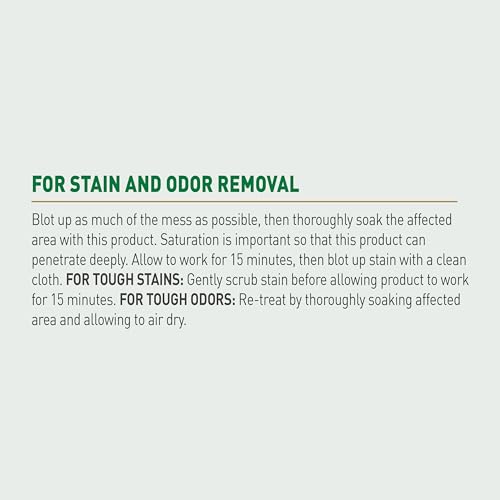
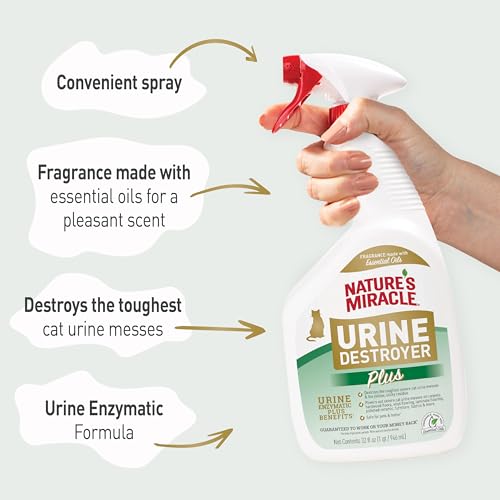
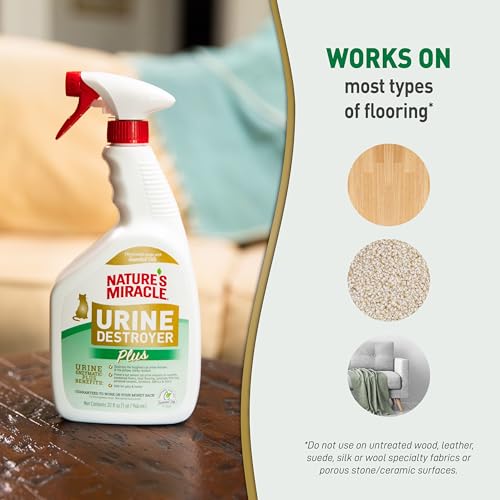
- An enzymatic stain and odor formula made for cat messes on multiple surfaces, according to the Nature’s Miracle listing. The name focuses on urine, so check the label for directions on other messes.
- A long-established pet stain brand that is widely sold in the US.
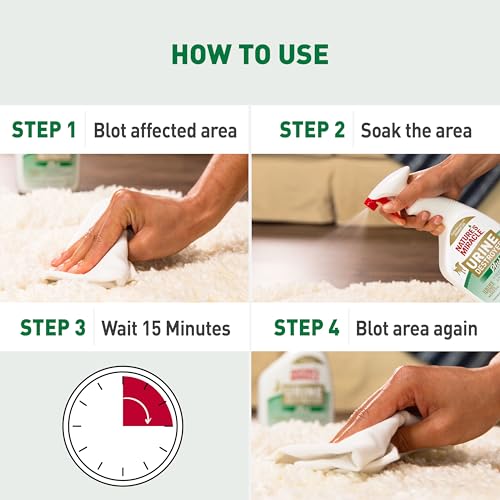
Watch out for: Enzyme cleaners need time and moisture to work. Soak the spot, wait as long as the label says, and spot check a hidden area of fabric first.
Our verdict: The step owners most often skip, and the one that stops leftover smell from drawing your cat back. Check current price.

Prime Nature's Miracle Cat Urine Destroyer Plus, Enzymatic Cleaner, 32 oz




As an Amazon Associate we earn from qualifying purchases. Product prices and availability are accurate as of the date/time indicated.
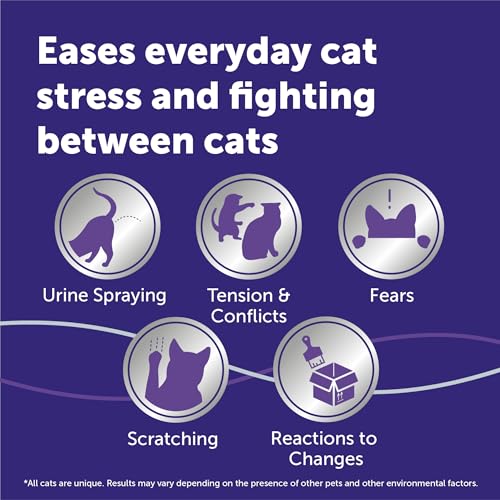
For stress-related accidents: FELIWAY Optimum Diffuser
Who it suits: Cats whose accidents started with a move, a new pet, a new baby or other household change.
- A plug-in pheromone diffuser meant to help reduce stress-related behaviors, according to FELIWAY.
- Works in the background, so it suits owners who are out during the day.
Watch out for: Results vary from cat to cat, and refills are an ongoing cost. It supports, but does not replace, a vet check and a better litter box setup.
Our verdict: A reasonable extra step for anxious cats once medical causes are ruled out. Check current price.

Prime FELIWAY Optimum Cat Calming Pheromone Diffuser Kit







As an Amazon Associate we earn from qualifying purchases. Product prices and availability are accurate as of the date/time indicated.
A Step-by-Step Plan
If you keep asking why does my cat poop on my bed even after cleaning everything, work through this in order instead of trying everything at once:
- See your vet. Bring notes on when it started, how often it happens and what the stool looks like. A photo helps.
- Clean thoroughly with an enzyme cleaner, as above.
- Fix the box setup: size, number, cleanliness, litter type and depth, and location.
- Close the bedroom door for a few weeks, or cover the bed with a waterproof sheet. The ASPCA suggests foil or upside-down carpet runners to make soft surfaces less appealing.
- Change what the spot means. Cornell suggests putting food bowls or playing in previously soiled areas, since cats tend not to go where they eat.
- Keep a simple diary of when and where your cat poops. VCA notes cats are usually regular, so a pattern often shows up.
- Supervise or confine when needed. VCA describes keeping the cat in a smaller area with a box when you cannot watch them, around the times they usually go, then slowly giving more freedom.
Never punish your cat or rub their nose in it. The ASPCA warns against it, and Cornell notes that punishment raises anxiety, which can make soiling worse. The approach is much the same as in our guide on how to stop cat from peeing on bed accidents, with extra attention to constipation and gut health.
When to See a Vet
- Same day: straining in the box with little or nothing coming out, especially in a male cat, since you may not be able to tell a bowel problem from a urinary blockage.
- No bowel movement for two to three days.
- Small, hard, dry stool, or crying while pooping.
- Diarrhea that lasts more than a day, or any blood or mucus in the stool.
- Vomiting, a poor appetite or low energy along with the accidents.
- Scooting or licking under the tail a lot.
- A first accident in a cat who has always used the box, or any accidents in a senior cat.
Quick Answers
Is it a one-off or a pattern?
A single accident during a bout of diarrhea is not unusual. Repeated cat pooping on bed incidents, especially on clean bedding, point to a lasting cause that needs a vet visit and a box review.
Why is my cat pooping on my bed only when I am away?
Changes in routine and being alone can unsettle some cats, and the bed holds the most of your scent. Ask your vet about stress, and keep the bedroom closed while you are gone until the habit stops.
The Bottom Line
The real answer to why did my cat poop on my bed is that pooping has become uncomfortable, the litter box is not working for your cat, or something at home is causing stress. Start with a vet check, clean the bed with an enzyme cleaner, fix the box and block the bed for a few weeks. Most cats go back to the box once the cause is found. For more help with sleep spots and comfort at home, explore our cat beds and comfort section.
Sources
- Cat Behavior Problems, House Soiling, VCA Animal Hospitals
- Constipation in Cats, VCA Animal Hospitals
- Feline Behavior Problems, House Soiling, Cornell Feline Health Center
- Constipation, Cornell Feline Health Center
- Litter Box Problems, ASPCA
Want to know how we choose products? Read How We Review, or go back to the BestPurrPicks homepage for more cat care guides.








Write Your Review
No reviews yet. Be the first to share your experience!