

Last updated: November 8, 2026
The short answer: If you are asking why is my cat peeing on my bed, start with a vet visit, because bladder pain, infection and other medical problems are a common cause. Once your cat is cleared, the usual reasons are a litter box your cat dislikes, stress or tension at home, or a liking for soft, absorbent fabric. Your cat is not doing it out of spite. Clean the bedding with an enzyme cleaner, fix the litter box setup, and make the bed less inviting for a few weeks.
Important: This guide is general information, not veterinary advice. A male cat straining to pee and passing little or nothing is an emergency. Call your vet or an emergency clinic right away.
This guide is based on advice from the ASPCA, VCA Animal Hospitals, the Cornell Feline Health Center and the AAFP and ISFM house-soiling guidelines. The two products below are research based. We have not used them at home.
Why the Bed, of All Places?
Owners often feel the bed is being targeted on purpose. The AAFP and ISFM guidelines are clear that house soiling is not about spite or anger at you. It is a sign that a medical, physical or social need is not being met.
The bed just happens to tick a lot of boxes for a cat who is uncomfortable using the litter box:
- It is soft and absorbent. The ASPCA notes that some cats develop a preference for soft surfaces like carpet and bedding.
- It smells strongly of you. For a stressed cat, mixing their scent with yours in a safe, familiar place may feel reassuring.
- It is raised and quiet. A cat who feels ambushed at the litter box by another pet can see the whole room from the bed.
- It already smells like urine. After one accident, leftover odor that ordinary detergent misses can draw your cat back to the same spot.
Medical Causes to Rule Out First
The ASPCA and VCA both put a vet checkup before any behavior fix. Cornell lists urinating outside the litter box among the signs of feline lower urinary tract disease, along with straining, frequent small trips, crying while peeing, blood in the urine and licking the genital area.
Common medical reasons include:
- Bladder inflammation (feline idiopathic cystitis). Cornell says it is the most common diagnosis in cats with urinary signs, and stress appears to play a role.
- Urinary infection, crystals or stones. These make peeing painful or urgent, so your cat may not make it to the box, or may blame the box for the pain.
- Kidney disease, diabetes and hyperthyroidism. VCA lists these among conditions behind house soiling. They often make cats drink and pee more.
- Arthritis and other pain. VCA notes that stiff joints can make a box hard to reach or climb into. The bed may simply be easier.
- Age-related cognitive decline in senior cats, also listed by VCA.
Even after the problem clears up, a cat may keep avoiding a box they link with pain. That is one reason the fixes below still matter after treatment.
Litter Box Reasons
When the vet finds nothing, the box is the next suspect. The ASPCA lists dirty boxes, too few boxes, boxes that are too small, hard to reach or covered, and litter that is too deep. VCA adds strong litter scent and noisy locations.
Quick fixes to try:
- Scoop at least once a day and empty and wash the box weekly with unscented soap, as the ASPCA advises.
- Offer one box per cat plus one extra, in more than one location.
- Use a large, uncovered box with unscented, clumping litter in a shallow, even layer.
- If you changed litter or box style recently, go back to the old one.
- Move a box slowly. VCA suggests no more than 6 to 8 inches at a time.
If the bed accidents began around the same time your cat stopped using the box in general, our guide to a cat suddenly stopped using litter box situation walks through what usually changed. For older cats with stiff hips, a low entry litter box can make the box easier than the bed again.
Stress and Changes at Home
A common version of the question is why did my cat pee on my bed right after a move, a new partner, a new baby or a trip away. Changes in routine, new people or pets, and conflict between cats are all well-known triggers. Cats who are bullied by another cat may avoid a box that sits in a hallway or corner where they can get trapped.
Signs that stress is involved include hiding more, overgrooming, changes in appetite, hissing or chasing between pets, and accidents that started around the same time as a household change.
What helps:
- Keep feeding, play and bedtime at regular times.
- In multi-cat homes, add boxes, food bowls and resting spots in separate areas so no cat has to pass a rival.
- Play with your cat daily. A short, active wand toy session before bed is an easy habit.
- Ask your vet about a pheromone diffuser or, for some cats, anxiety medication. VCA notes medication can help when anxiety or marking is part of the picture.
Is It Spraying or Peeing?
Marking usually means small amounts of urine sprayed on vertical surfaces, like a headboard or wall, according to VCA. A large puddle in the middle of the duvet is more often a medical, box or comfort problem. Tell your vet which pattern you are seeing, since the approach is different.
How to Clean It So It Does Not Happen Again
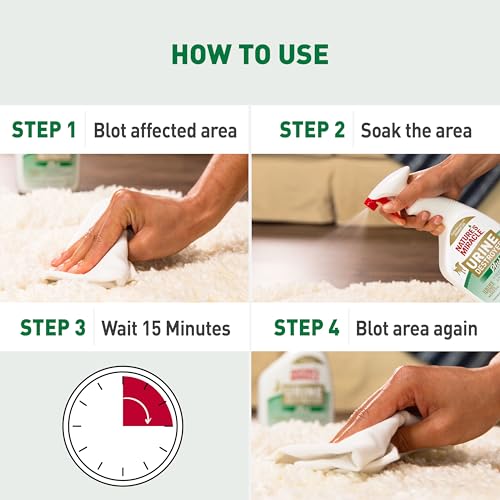
- Blot fresh urine with paper towels. Do not rub it deeper.
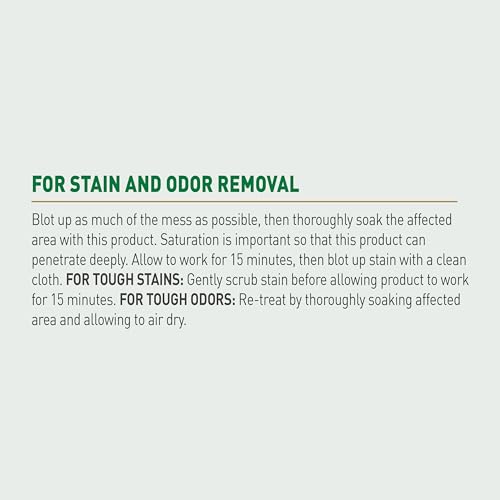
- Use an enzyme cleaner made for pet urine on the mattress and any fabric that cannot go in the washer. The ASPCA warns against ammonia-based cleaners, because urine contains ammonia and the smell can attract your cat back.
- Wash bedding on the warmest setting the label allows, then run a second cycle if any smell remains.
- Let everything dry fully before making the bed again.
- Protect the mattress with a waterproof cover while you work on the cause.
Products That Can Help
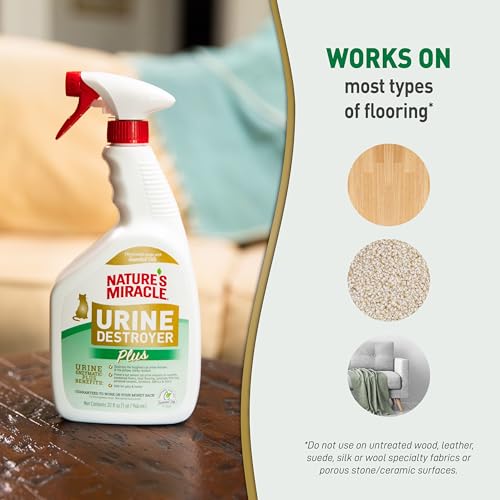
For the cleanup: Nature’s Miracle Cat Urine Destroyer Plus
Who it suits: Anyone dealing with urine on a mattress, rug or bedding that cannot be thrown in the washer.
- An enzymatic formula made for cat urine stains and odor, for use on multiple surfaces, according to the Nature’s Miracle listing.
- A long-established pet stain brand that is widely sold in the US.
Watch out for: Enzyme cleaners need time and moisture to work. Soak the spot well, follow the label’s waiting time, and spot check on a hidden area of fabric first.
Our verdict: The step that most often gets skipped, and the one that stops your cat from being drawn back by smell. Check current price.

Prime Nature's Miracle Cat Urine Destroyer Plus, Enzymatic Cleaner, 32 oz





As an Amazon Associate we earn from qualifying purchases. Product prices and availability are accurate as of the date/time indicated.
For stress-related accidents: FELIWAY Optimum Diffuser
Who it suits: Cats whose accidents started with a move, a new pet or other household change.
- A plug-in pheromone diffuser meant to help reduce stress-related behaviors such as urine spraying and hiding, according to FELIWAY.
- Works in the background, so it suits owners who are away during the day.
Watch out for: Results vary from cat to cat, and refills are an ongoing cost. It supports, but does not replace, a vet check and a better litter box setup.
Our verdict: A reasonable extra step for anxious cats once medical causes are ruled out. Check current price.

Prime FELIWAY Optimum Cat Calming Pheromone Diffuser Kit








As an Amazon Associate we earn from qualifying purchases. Product prices and availability are accurate as of the date/time indicated.
A Step-by-Step Plan
If you keep wondering why does my cat keep peeing on my bed even after a vet visit and a deep clean, a steady plan works better than trying everything at once. Here is how to stop cat from peeing on bed accidents in order:
- See your vet and share when it started, how often, and the size of the puddles.
- Clean thoroughly with an enzyme cleaner, as above.
- Fix the box setup: number, size, cleanliness, litter and location.
- Block bed access for a few weeks. Close the bedroom door, or cover the bed with a waterproof sheet, upside-down carpet runner or foil, which the ASPCA suggests for soft surfaces.
- Change what the spot means. The ASPCA suggests putting food, treats, toys or bedding where accidents happened, since cats tend not to eliminate where they eat and play.
- Consider short-term confinement. VCA describes keeping the cat in one room with a box, water and bedding, usually for one to four weeks, then slowly giving back freedom.
- Keep a simple log of where and when your cat goes, as VCA recommends. It shows whether things are improving.
Never punish your cat or rub their nose in it. It adds stress, which can make the problem worse. More general advice on cat peeing on bed problems that spread to other rooms is in our guide on why does my cat pee outside the litter box.
When to See a Vet
- Emergency: straining with little or no urine, especially in a male cat. Cornell calls urethral blockage life threatening.
- Blood in the urine, or crying while peeing.
- Frequent trips to the box with only small amounts.
- Drinking or peeing much more than usual.
- Licking the genital area a lot.
- Any first accident in a cat who has always used the box well, or accidents in a senior cat.
- Changes in appetite, weight or energy alongside the accidents.
Quick Answers
Is my cat mad at me?
No. Cats do not soil to get revenge. The bed is usually chosen because it is soft, smells of you, or feels safer than the litter box.
Why does my cat only pee on my side of the bed?
Your side carries the most of your scent. A stressed cat may be drawn to it. It can also be the spot closest to the door or furthest from another pet.
Can I let my cat back on the bed later?
Usually yes. Once your cat has used the box reliably for a few weeks, open the bedroom again, and keep a waterproof cover on the mattress for a while longer.
The Bottom Line
The honest answer to why is my cat peeing on my bed is that something about the litter box, your cat’s health or the household is not working for them, and the bed is the comfortable alternative. Book a vet visit, clean with an enzyme cleaner, fix the box setup and make the bed off limits for a while. Most cats return to the box once the cause is found. For more help with sleep spots and comfort at home, browse our beds and comfort guides.
Sources
- Litter Box Problems, ASPCA
- Cat Behavior Problems, House Soiling, VCA Animal Hospitals
- Feline Lower Urinary Tract Disease, Cornell Feline Health Center
- AAFP and ISFM Guidelines for Diagnosing and Solving House-Soiling Behavior in Cats, American Association of Feline Practitioners
Want to know how we choose products? Read How We Review, or go back to the BestPurrPicks homepage for more cat care guides.








Write Your Review
No reviews yet. Be the first to share your experience!