

Last updated: October 11, 2026
The short answer: If you are asking why does my cat pee outside the litter box, check for a urinary problem first. Bladder inflammation, crystals, stones and infection all make peeing painful, and a cat in pain often avoids the box. A male cat straining with little or no urine is an emergency. Once your vet rules out illness, the fix is usually in the setup: enough clean boxes, unscented clumping litter, quiet locations and less stress at home.
This guide is research based. It draws on the Cornell Feline Health Center, the ASPCA and VCA Animal Hospitals. It is not a substitute for an exam by your vet.
Is It an Emergency?
Go to a vet now, even after hours, if your cat:
- Strains in the box and passes little or no urine.
- Cries, keeps going back to the box, or licks the genital area a lot.
- Is lethargic, vomiting or hiding.
The Cornell Feline Health Center calls a urethral blockage an absolute emergency and warns that a complete blockage can be fatal in less than 24 to 48 hours. Males, including neutered males, are at higher risk because their urethra is longer and narrower.
Medical Causes to Rule Out
Cornell lists urinating outside the box among the signs of feline lower urinary tract disease, along with painful or frequent urination and blood in the urine. The common causes are:
- Idiopathic cystitis, bladder inflammation with no clear cause, which Cornell says is the most common diagnosis and is strongly linked to stress.
- Bladder stones or crystals, which irritate the bladder or block the urethra.
- Urinary tract infection, which the ASPCA notes can cause many trips to the box with only small amounts of urine.
- Conditions that increase urine, such as kidney disease and diabetes. VCA notes these make the box fill faster, so the cat looks for a cleaner place.
- Joint pain, especially in older cats, which makes climbing into a high-sided box hard.
Even a cat peeing outside litter box but acting normal otherwise should see a vet. Cats hide discomfort well, and the ASPCA points out that a cat may keep avoiding the box after an old pain has healed.
Box, Litter and Location Problems
When health checks come back clear, the ASPCA points to the box itself:
- Not enough boxes. One per cat plus one extra.
- Not clean enough. Scoop at least daily.
- Too small, too high or covered. Most cats dislike covers and liners.
- Wrong litter. Many cats prefer unscented clumping litter, about one to two inches deep.
- Wrong place. Busy, loud or cornered spots, or next to food.
Odor matters to cats too. A box that smells strongly to you smells far worse to them. Our tips on how to keep litter box from smelling help on both counts.
Stress and Marking
Cornell names stress, such as a move or a multi-cat household, as a risk factor for bladder problems. Stress can also lead to marking. The ASPCA explains that a marking cat usually still uses its box, but sprays small amounts of urine on vertical surfaces like walls and furniture, often with its tail upright.
Common triggers include a new cat or baby, visiting cats outside the window, renovations and changes in your schedule. If your cat started peeing outside litter box areas right after one of these, that is a strong clue.
Age Matters
Kittens
A kitten keeps peeing outside litter box areas most often because the box is too far away, too tall or too big a house to cross in time. Give young kittens a low box in every room they spend time in, and rule out infection with your vet.
Older cats
A senior cat peeing outside litter box areas may have arthritis, kidney disease, diabetes or cognitive changes. Low-entry boxes, a box on every floor and a night light can help while your vet looks for the cause.
How to Fix It, Step by Step
- See your vet and bring a note of when it started and where the urine is.
- Add boxes in quiet places, including one near the spot your cat chose.
- Use large, open, low-sided boxes with unscented clumping litter.
- Scoop daily and wash boxes regularly with warm water and mild unscented soap.
- Clean accidents with an enzyme cleaner. Avoid ammonia-based cleaners, which smell like urine to a cat.
- Make the soiled spot less inviting, for example with foil or double-sided tape, or by placing food or bedding there.
- Lower stress: keep routines steady, add perches and hiding places, and spread food, water and boxes around the home.
- Encourage drinking. Cornell recommends fresh water at all times and small, frequent meals for cats prone to bladder trouble.
Those steps are the honest answer to how to stop cat from peeing outside litter box areas. Never punish your cat, which only adds fear.
A Product That Can Help With Stress
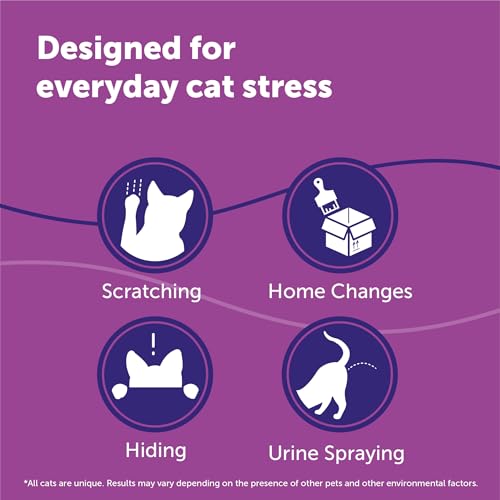
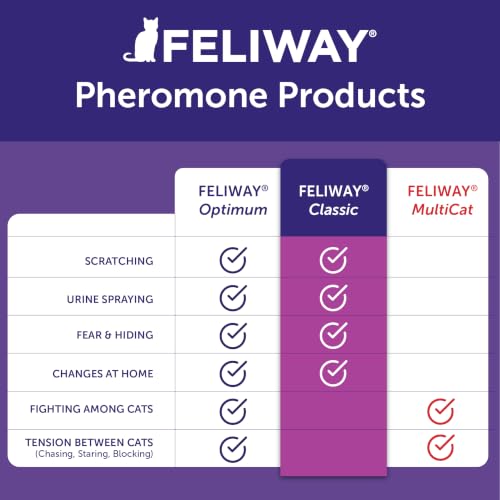
FELIWAY Classic Calming Diffuser
Who it suits: Homes where stress, a move or tension between cats seems to be behind the accidents.
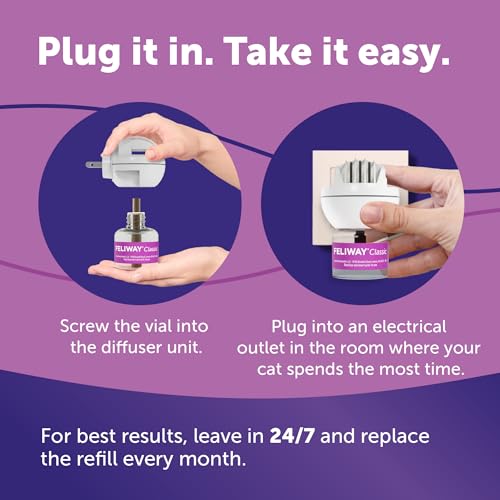
- A plug-in diffuser that releases a synthetic copy of the facial pheromone cats leave when they rub on things.
- The ASPCA lists synthetic pheromone diffusers among the tools that can ease stress-related elimination problems.
- Works best in the room where your cat spends the most time or where accidents happen.
Watch out for: It is a support, not a cure. It will not help a medical problem and does not replace extra boxes or cleaning. Results vary between cats.
Our verdict: Worth trying alongside the setup changes when stress is a likely trigger. Check current price.

Prime FELIWAY Classic Cat Pheromone Calming Diffuser Kit




As an Amazon Associate we earn from qualifying purchases. Product prices and availability are accurate as of the date/time indicated.
Multi-Cat Homes
Cats peeing outside litter box areas in a busy household are often avoiding another cat. Spread boxes so one cat cannot guard them all, and make sure each cat has an escape route. If you are adding an automatic box, our pick of the best automatic cat litter box for multiple cats explains why it should sit alongside regular boxes, not replace them.
When to See a Vet
- Immediately for straining with little or no urine, crying, or a male cat going back and forth to the box.
- The same day for blood in the urine.
- Within a few days for any new peeing outside the box, more frequent trips or bigger clumps.
- If changes at home do not help within two weeks, ask about a referral to a veterinary behaviorist.
Quick Answers
Why do cats pee outside the litter box on beds and clothes?
Soft, absorbent items that smell like you can feel safe to a stressed or sore cat. Wash them with an enzyme cleaner, keep them out of reach for a while, and look for the cause.
Is my cat doing it out of spite?
No. Cats do not soil to punish people. It is a sign that something is wrong with their health, their box or their stress level.
Will neutering stop it?
Neutering often reduces marking in males, but it will not fix a medical or box problem. Talk to your vet.
The Bottom Line
When you wonder why does my cat pee outside the litter box, think bladder first, box second and stress third. Rule out an emergency, get a vet check, then give your cat more clean, quiet, unscented options and a calmer home. Our related guide on cats pooping outside litter box areas covers the stool side of the problem, and you can find the rest of our litter box coverage in one place here.
Sources
- Feline lower urinary tract disease, Cornell Feline Health Center
- Litter box problems, ASPCA
- Inappropriate elimination disorders in cats, VCA Animal Hospitals
See how we research on How We Review, or head to the BestPurrPicks homepage for more guides.







Write Your Review
No reviews yet. Be the first to share your experience!