

Last updated: October 11, 2026
The short answer: If you are asking why is my cat eating litter, treat it as a reason to see your vet. In adult cats, eating litter can be a sign of anemia, a nutritional gap, parasites or other illness, and sometimes stress or boredom. Kittens often taste litter out of curiosity, but clumping clay can swell in the gut and cause a blockage. Switch to a safer litter while you get your cat checked.
This guide is research based. It draws on a vet-written PetMD article and Whisker’s kitten litter guidance. It is not a substitute for an exam by your vet.
Why Do Cats Eat Litter?
Eating things that are not food is called pica. The vet-written PetMD article lists several causes:
- Anemia. A low red blood cell count can come from kidney failure, the FeLV or FIV viruses, blood parasites, severe fleas, toxins or some cancers.
- Nutritional gaps. A diet missing key nutrients may lead a cat to seek other things to eat.
- Other illness, including intestinal parasites and hyperthyroidism.
- Stress or boredom.
- Food-scented litters, which can tempt some cats.
So when an adult cat keeps swallowing litter, the behavior is often a symptom, not the problem itself.
Kittens: Curiosity and Real Risk
Many owners ask why does my kitten eat litter. Young kittens explore with their mouths and may play with litter like a toy. That is common, but it is not harmless. Whisker’s kitten litter guide warns that eating clay-clumping litter can be dangerous or even fatal for a kitten because it can cause a blockage. It suggests waiting until about 3 to 4 months before using clumping clay, and seeing a vet if a kitten still eats litter at 4 months.
If you are wondering why is my kitten eating litter even after a few weeks in a new home, it may be simple habit, but check the feeding plan with your vet and switch to a safer litter for now.
Why Clumping Litter Is the Biggest Worry
PetMD explains that swallowed clumping clay can form a hard mass in the stomach or intestines, leading to vomiting, diarrhea or a blockage that sometimes needs surgery. Clay dust can also irritate the lungs and stomach. Corn litter can carry mold toxins if it gets damp. Cat eating cat litter of any kind deserves attention, but clumping clay carries the highest blockage risk.
What to Do Right Now
- Book a vet visit. PetMD says vets typically take a history, examine your cat and may run bloodwork, a fecal check and X-rays.
- Switch to a safer litter while you wait, such as unscented recycled paper pellets.
- Keep the box clean and sweep up scattered litter so there is less to nibble.
- Feed a complete, balanced diet suited to your cat’s age.
- Add play and enrichment if boredom or stress may be involved.
A Safer Litter While You Sort It Out
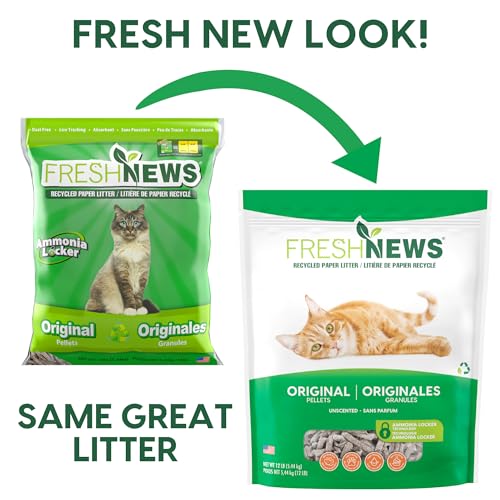
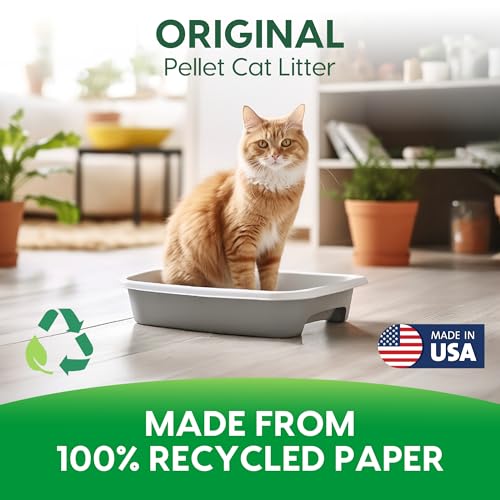
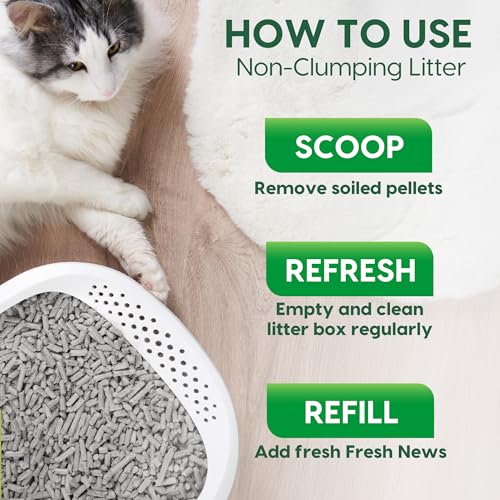
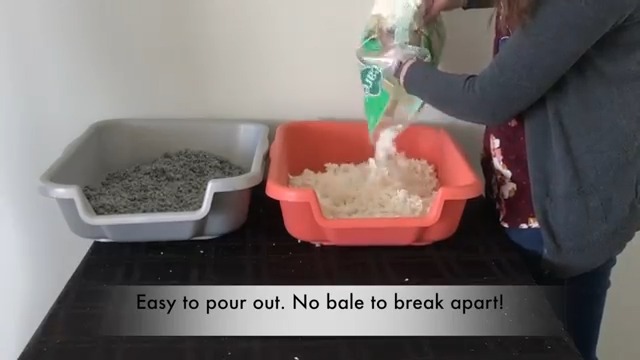
Fresh News Original Paper Pellets
Who it suits: Kittens and cats that eat litter, while you work with your vet.
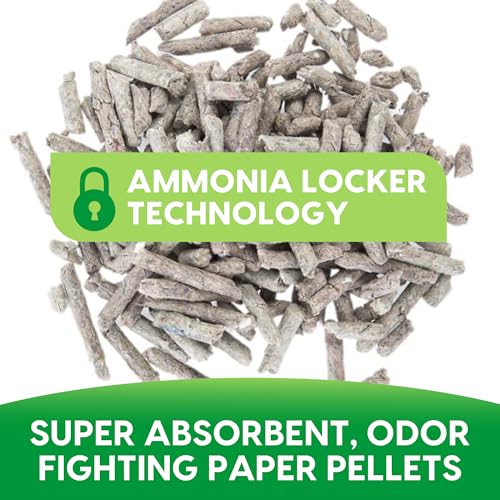
- Recycled paper pellets, unscented.
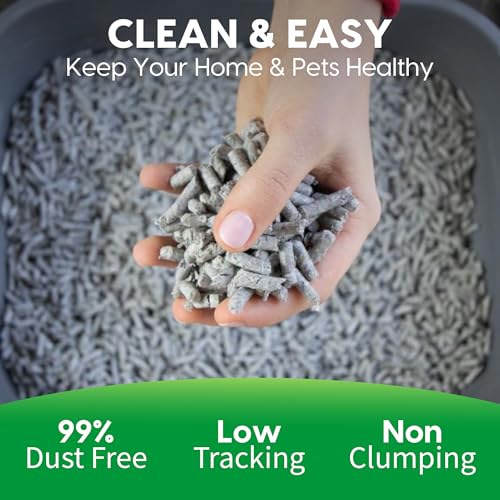
- Non-clumping, so it does not form hard masses the way clumping clay can.
- Low dust.
Watch out for: Paper is still not food. Supervise, and keep working on the cause with your vet.
Our verdict: A sensible temporary switch when my cat is eating litter is the problem you are facing. Check current price.

Prime Fresh News Original Pellet Non-Clumping Paper Cat Litter, 12 Pound


As an Amazon Associate we earn from qualifying purchases. Product prices and availability are accurate as of the date/time indicated.
For more on safe choices by age, see our guide on when can kittens use clumping litter, and our comparison of clumping vs non clumping litter.
When to See a Vet
- Right away: vomiting, a swollen or painful belly, not eating, straining with no stool, or lethargy after eating litter.
- Soon: any adult cat that eats litter more than once, pale gums, weight loss or low energy.
- At the next visit: kittens that taste litter now and then, especially if it continues past 4 months.
Quick Answers
Is it normal for kittens eating litter?
Occasional tasting is common, but it is risky with clumping clay. Use a safer litter and ask your vet.
Can a cat eats litter habit be a sign of anemia?
Yes. PetMD lists anemia among the main causes, which is why bloodwork is often part of the vet visit.
Will adding toys stop it?
If boredom is the cause, more play can help. But rule out health problems first.
The Bottom Line
Why is my cat eating litter? Often because something is wrong, such as anemia, a diet gap or stress, or simply because kittens explore. Clumping clay makes it dangerous. Switch to a safer litter, keep the box tidy and see your vet. More help is in our cat health and litter guides.
Sources
See How We Review, or go back to the BestPurrPicks homepage.



Write Your Review
No reviews yet. Be the first to share your experience!