

Last updated: November 2, 2026
The short answer: The best cat brush depends on your cat’s coat and patience. Short-haired cats that shed a lot do well with a deshedding tool used gently once or twice a week. Long-haired cats need a slicker brush plus a metal comb, ideally every day, to stop mats before they start. For cats who hate brushes, a rubber brush or a grooming glove is the easiest way to begin.
These picks are research based. They come from brand and listing details, coat care guidance from VCA Animal Hospitals and common owner experience. We have not used these products at home.
Start With Your Cat’s Coat
VCA explains that cats with long, silky or curly coats need daily brushing to prevent tangles and mats, especially around the ears, armpits and the backs of the legs. Short coats need brushing less often. VCA also notes that regular brushing cuts down on loose hair and dander in your home and means your cat swallows less hair while self-grooming, which can mean fewer hairballs.
- Short coat, light shedding: a rubber brush or glove once or twice a week is often enough.
- Short coat, heavy shedding: a deshedding tool pulls out loose undercoat that a soft brush leaves behind.
- Medium or long coat: a slicker brush for the outer coat plus a metal comb to find hidden knots.
- Senior, arthritic or overweight cats: VCA notes these cats may struggle to reach parts of their body, so they often need extra help with grooming.
The Main Brush Types
Deshedding tools
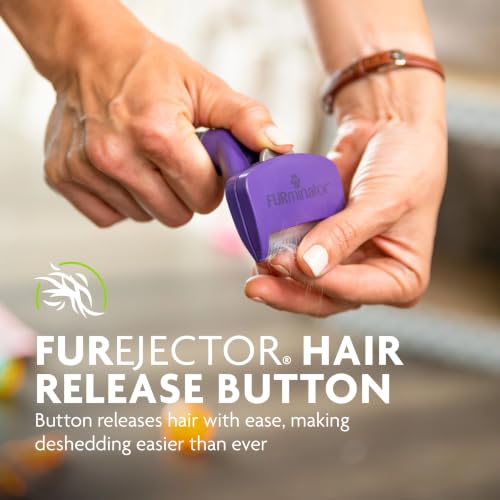
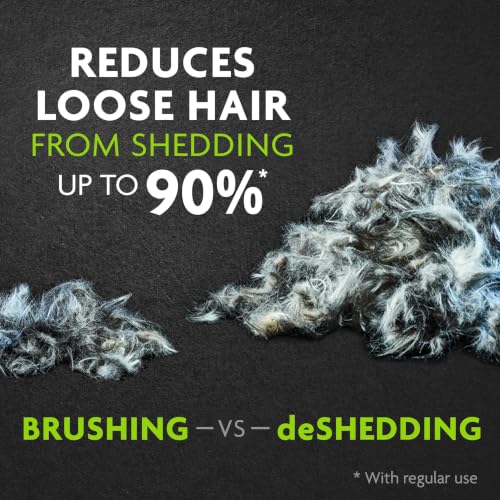
A cat deshedding brush has a fine metal edge that reaches through the topcoat and lifts loose undercoat. It removes a lot of hair fast, which is great in shedding season. It is also the tool most likely to irritate skin if you press hard or go over one spot again and again. Use light strokes and stop when little hair is coming out.
Slicker brushes
A cat slicker brush has many thin wire pins on a flat head. It smooths the outer coat, picks up loose hair and works out small tangles on medium and long coats. Look for pins with protective tips and keep the pressure light, since wire pins can scratch if you dig in.
Metal combs
A comb is the quiet hero for long-haired cats. After brushing, run it through to the skin. If it snags, you found a knot the brush missed. VCA recommends long-toothed metal combs for medium and long coats.
Rubber brushes and gloves
Soft rubber nubs grab loose hair from short coats and feel like petting to many cats. A cat brush glove takes this further: you simply stroke your cat, so nervous cats often accept it when they will not tolerate a brush. Neither will reach deep undercoat on a long-haired cat.
Our Picks
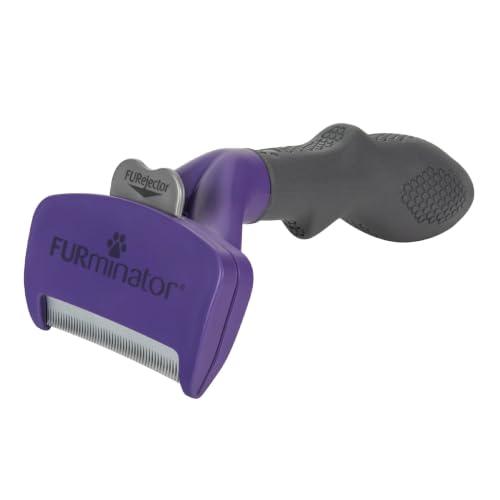
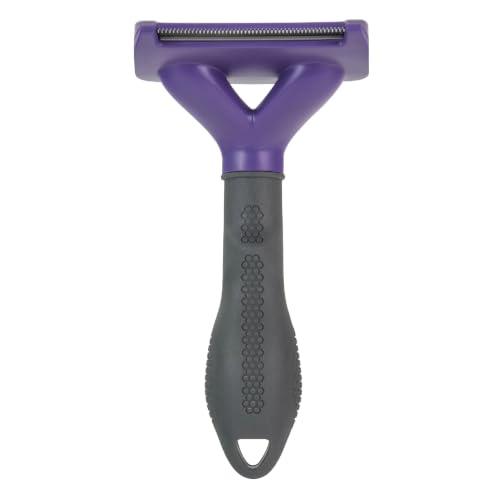
Best for heavy shedding short hair: FURminator deShedding Tool for Short Hair Cats
Who it suits: Medium to large short-haired cats who leave fur on every surface, especially in spring and fall.
- Sized for medium to large cats with short hair, according to the FURminator listing title.
- FURminator also sells versions for small cats and for long hair, so match the tool to your cat.
Watch out for: Easy to overdo. Brush gently, a few minutes at a time, and skip any area that looks red or sore.
Our verdict: The strongest option here for pulling out loose undercoat on short-haired cats. Check current price.

Prime FURminator Medium to Large Cat deShedding Tool for Short Hair


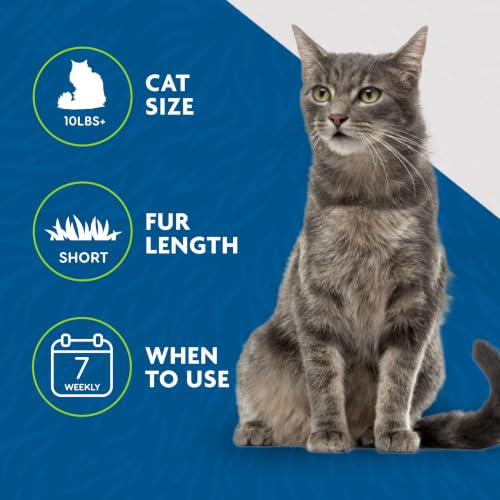

As an Amazon Associate we earn from qualifying purchases. Product prices and availability are accurate as of the date/time indicated.
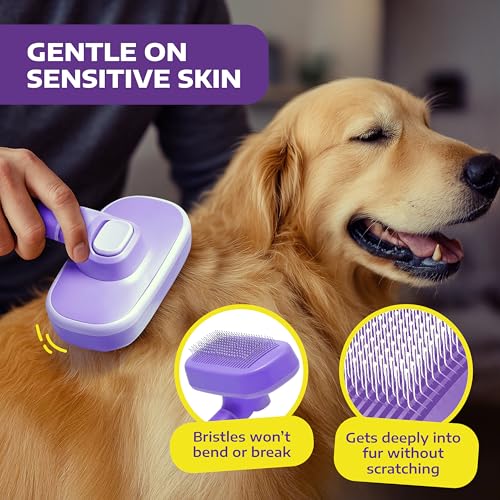
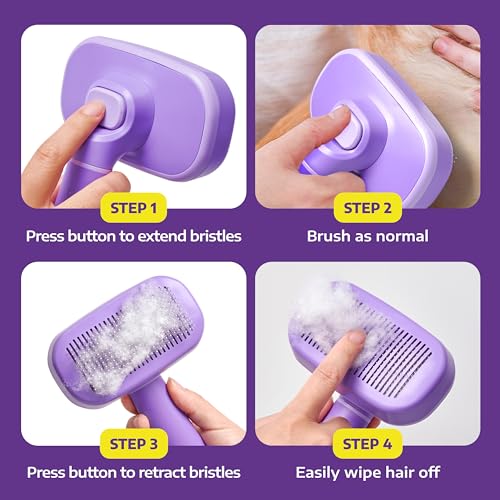
Best for medium and long coats: Hertzko Self Cleaning Slicker Brush
Who it suits: Medium and long-haired cats who need regular detangling, and owners who hate picking fur out of a brush.
- Retractable bristles for easy cleaning, according to the Hertzko listing.
- Marketed for shedding on both long and short hair, for dogs and cats.
Watch out for: It is a dog and cat brush, so the head may feel large on a small cat. Keep the pressure light on thin-skinned areas like the belly.
Our verdict: A widely used, easy-to-clean slicker that makes daily brushing less of a chore. Check current price.

Prime Hertzko Self Cleaning Slicker Brush for Dogs and Cats - Pet Hair Brush for Shedding Long and Short Hair - Easy Clean Retractable Bristles - Cat and Dog Grooming Tool - Purple


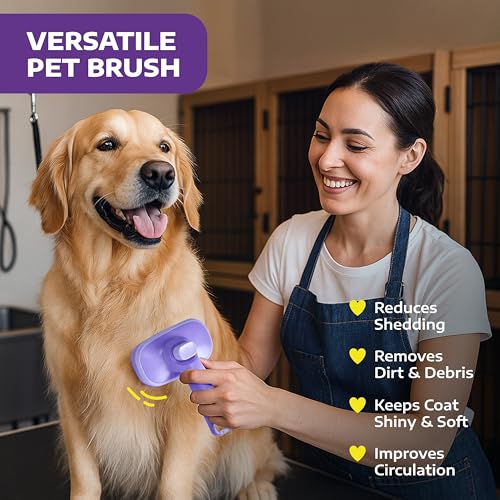
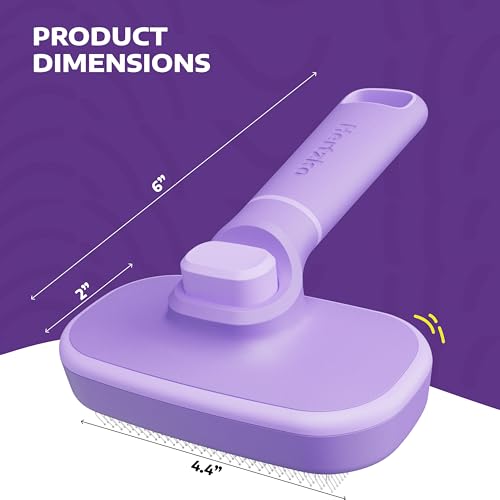
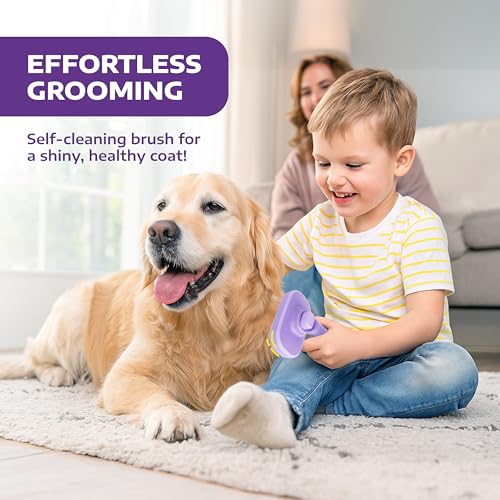

As an Amazon Associate we earn from qualifying purchases. Product prices and availability are accurate as of the date/time indicated.
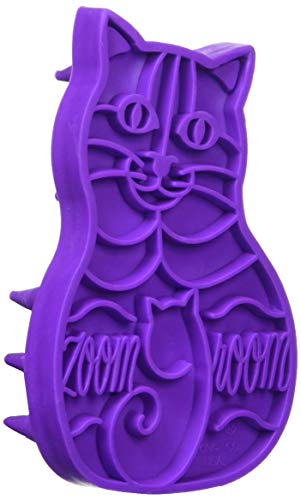
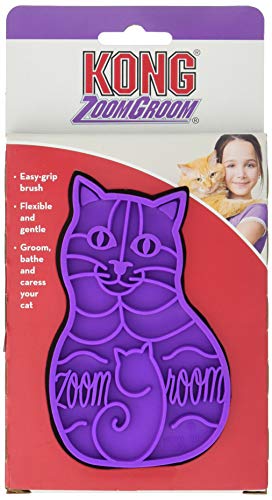
Best for brush-shy and short-haired cats: KONG Rubber Brush for Cat
Who it suits: Short-haired cats, kittens and cats who flinch at metal pins.
- A soft rubber brush made for cats, according to KONG.
- Rubber has no wire pins, so it is gentler on thin or sensitive skin.
Watch out for: It will not untangle long hair or reach a thick undercoat.
Our verdict: A gentle first brush that many cats treat like a massage. Check current price.

Prime Kong Rubber Brush for Cat


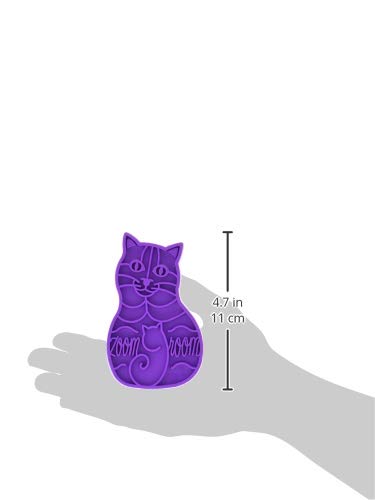
As an Amazon Associate we earn from qualifying purchases. Product prices and availability are accurate as of the date/time indicated.
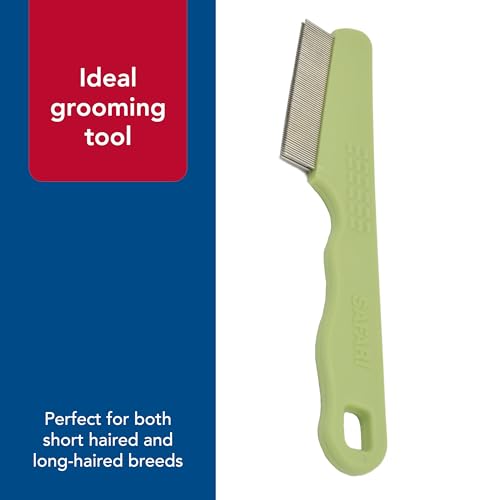
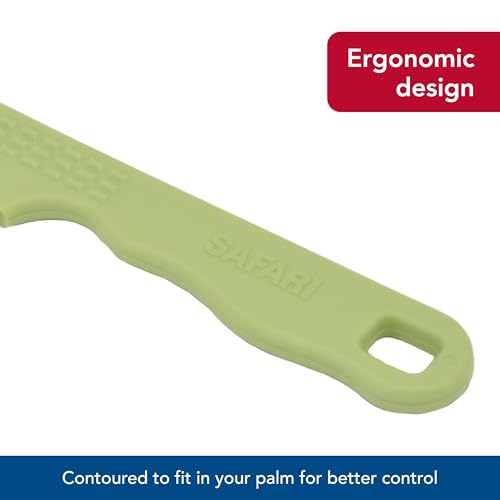
Best for finding hidden knots: Safari Double Row Comb
Who it suits: Long and medium-haired cats, and any owner who wants to check for knots after brushing.
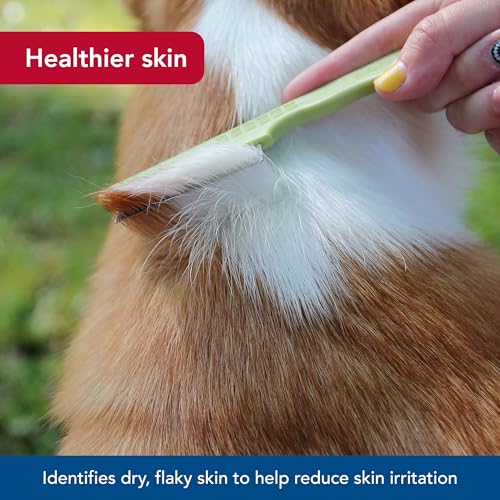
- A double row comb that Coastal Pet says helps with dry skin and with flea detection.
- Metal teeth reach down to the skin, the kind of long-toothed comb VCA suggests for medium and long coats.
Watch out for: A comb does not lift loose undercoat the way a slicker or deshedding tool does. Use it as a partner to a brush, not a replacement.
Our verdict: A simple, low-fuss tool that catches tangles before they turn into mats. Check current price.

Prime Coastal Pet Safari Double Row Comb - Helps Dry Skin - For Flea Prevention and Detection in Pets with Short and Long Hair
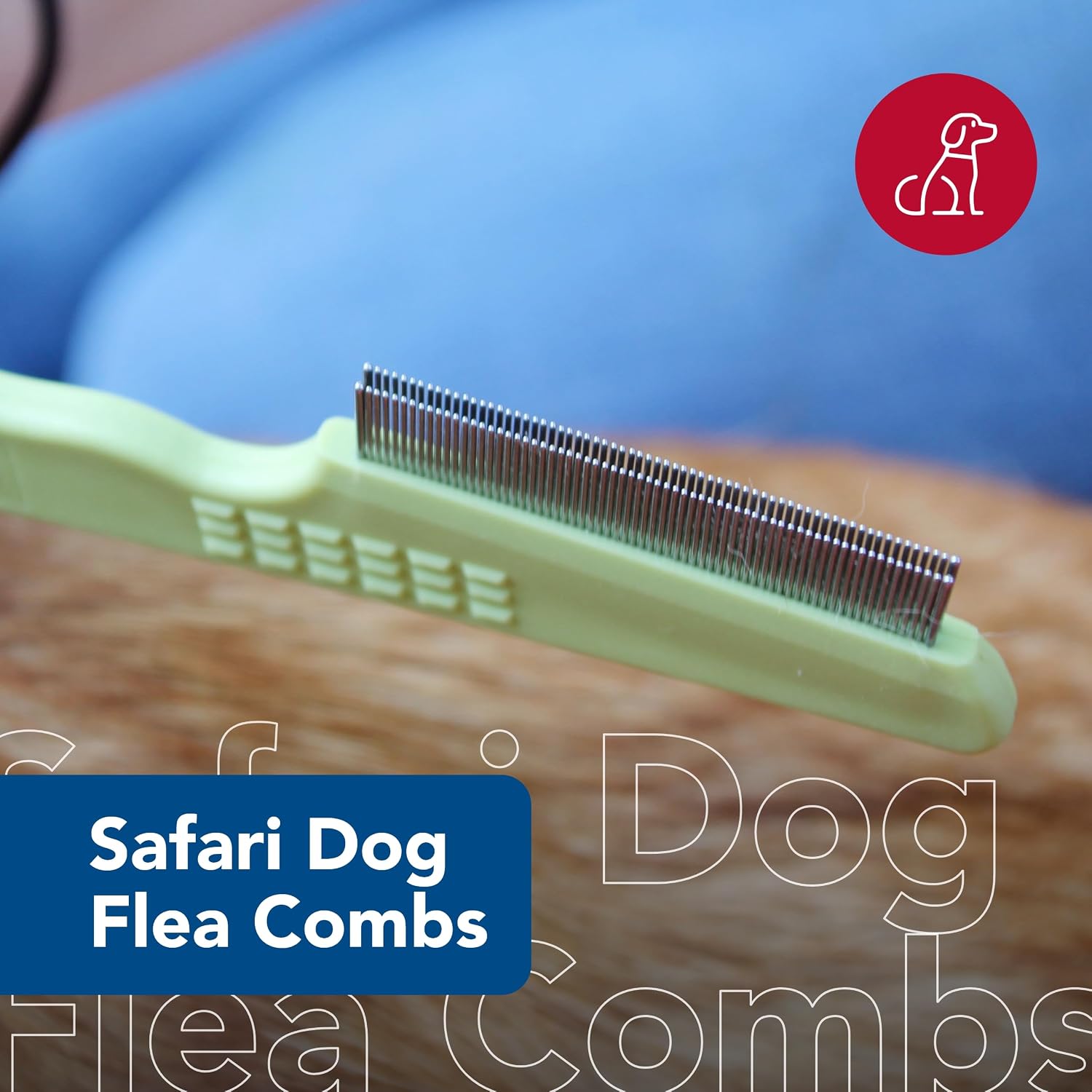


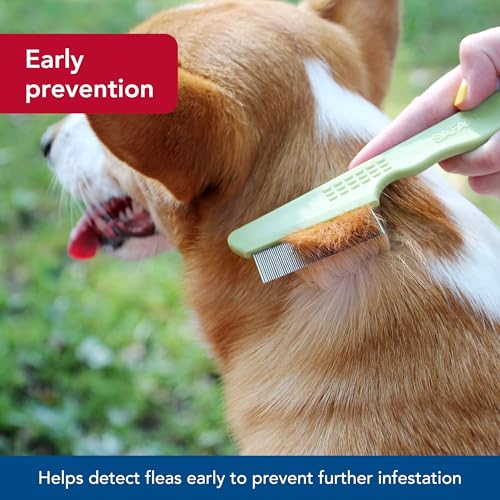

As an Amazon Associate we earn from qualifying purchases. Product prices and availability are accurate as of the date/time indicated.
Which One for Your Situation?
- Short hair and fur everywhere: FURminator deShedding Tool, used gently.
- Long or medium hair: Hertzko slicker plus a metal comb.
- Kitten or sensitive cat: KONG rubber brush.
- Long hair that keeps knotting: add the Safari comb after every brushing.
- Cat bolts when you pick up a brush: start with the KONG rubber brush or a soft grooming glove, then add other tools later.
How to Brush Without a Fight
- Keep sessions short. A minute or two, then stop before your cat gets annoyed.
- Start where your cat likes being touched, usually the cheeks, neck and back, before moving to the sides.
- Brush in the direction the hair grows, with light pressure.
- Reward with a treat or play at the end so brushing predicts good things.
- Never pull on a tangle. VCA advises working small tangles out gently and brushing them out before any bath, since mats can become impossible to remove once wet.
Brushing also keeps fur off the places your cat lounges. If the cat tree is already coated, our guide on how to clean cat tower surfaces walks through a simple routine.
When to See a Vet
Call your veterinarian if you notice any of these while brushing:
- Sudden heavy shedding, bald patches, dandruff, greasy fur or a dull coat. VCA lists these as possible signs of a health problem.
- Red, sore or broken skin, especially under a mat. VCA notes that skin irritated by a mat needs veterinary treatment.
- Large or tight mats close to the skin. VCA warns against cutting mats with scissors and suggests a groomer or vet for severe tangles.
- New lumps, bumps, fleas or areas your cat suddenly will not let you touch.
- An older or heavier cat who has stopped grooming themselves.
Quick Answers
Which cat brush for shedding season works well?
For short coats, a deshedding tool used gently once or twice a week. For long coats, daily slicker brushing plus a comb keeps loose hair from turning into mats.
Is a deshedding tool safe to use every day?
Most cats do better with a deshedding tool once or twice a week. Use a softer brush or glove on the other days.
Do indoor cats need brushing?
Yes. Indoor cats still shed, and brushing means less hair on your furniture and less hair swallowed during self-grooming.
The Bottom Line
The best cat brush is the one that suits your cat’s coat and that your cat will actually sit for. Pick a deshedding tool for heavy short-haired shedders, a slicker and comb for long hair, and a rubber brush or glove for cats who are nervous about grooming. Keep sessions short and positive. For more coat, claw and bath help, browse our grooming and cleaning guides.
Sources
Want to know how we choose products? Read How We Review, or go back to the BestPurrPicks homepage for more cat care guides.









Write Your Review
No reviews yet. Be the first to share your experience!