

Last updated: November 5, 2026
The short answer: If you are wondering why does my cat bite me, the usual reasons are play that got too rough, too much petting, fear, or excitement aimed at the nearest target, which is you. Gentle nips during cuddles are often a “that is enough” signal, not anger. A cat that suddenly starts biting when touched may be in pain and should see a vet.
This guide is based on information from the Cornell Feline Health Center, UC Davis School of Veterinary Medicine and VCA Animal Hospitals. The two toy picks below are research based. We have not used these products at home.
Important: This guide is general information, not veterinary or medical advice. Cat bites can get infected quickly, so clean any bite that breaks the skin and call your doctor.
The Main Reasons Cats Bite People
The Cornell Feline Health Center describes several kinds of cat aggression toward people. Most biting at home fits one of these:
- Play biting. Your cat stalks, pounces and bites like it is catching prey. Cornell says this is most common in kittens and young cats, especially ones raised without littermates.
- Petting-induced biting. Your cat enjoys being stroked, then suddenly bites. Cornell links this to overstimulation.
- Fear. A scared cat that cannot get away may bite. Triggers include strangers, other animals, loud noises and vet visits.
- Redirected biting. Your cat gets worked up by something it cannot reach, like a cat outside the window, and turns on the closest person.
- Pain. Cornell notes that cats in pain may hiss, bite or scratch to avoid being touched, for example when sore joints are handled.
Love Bites vs Warning Bites
Soft nibbles during cuddles
Many owners ask why does my cat nibble me while relaxed on the couch. These small, gentle bites usually do not hurt. Some cats nibble while grooming you, the way cats groom each other. Others nibble as an early hint that they have had enough touching. Either way, watch the body. Loose and purring is fine. Tense and twitchy means stop.
A lick, then a bite
If you have asked why does my cat lick me then bite me, you are not alone. Your cat may be grooming you, getting more and more aroused, and finishing with a nip. It can also be a polite “please stop” that turns firmer when the first hint is missed. Cuddles that end on a calm note, before the nip, help break the pattern. For more on the licking half, see our guide on why does my cat keep licking me and what different licks mean.
The sudden bite while you are petting
This is the classic petting-induced bite. Cornell lists the warning signs: dilated pupils, a lashing tail and ears moving back. Other clues include rippling skin on the back and your cat turning its head toward your hand. When you see any of these, stop petting right away and let your cat leave.
Cornell advises not to pet a cat that has not invited it, and to stop at the first sign of aggression. It also suggests rewarding short, gentle petting sessions with treats, so your cat learns that calm touching ends well.
Ambush bites on ankles and hands
This is play aggression. Your cat hides, pounces and bites moving feet. Cornell lists the signs as a thrashing tail, ears pinned back and dilated pupils. It is not spite. Your cat has energy to burn and is practicing hunting on the only moving target around.
Bites that seem to come from nowhere
People often ask why does my cat randomly bite me when nothing obvious happened. Look for a trigger you might have missed: a cat outside, a loud noise, a visitor, or a sore spot you touched. A cat that has never been a biter and suddenly starts biting when picked up or touched in one area should see a vet to rule out pain.
Kittens and Biting
If you are asking why does my kitten bite me constantly, the short version is that biting is how kittens play and learn. UC Davis explains that kittens normally learn limits from their mother and littermates, and kittens that were hand raised or weaned early may need extra guidance. It adds that kitten-style play can last until about 2 years of age.
UC Davis also says that using fingers or toes as toys teaches a kitten to bite and scratch, which gets painful as the kitten grows. Its advice:
- Use toys, not hands. Wand toys, soft plush toys and balls give your kitten something to chase and bite.
- Play every day. Set aside daily play time, and leave out toys for solo play.
- End rough play right away. Pull your hand back, redirect to a toy from a distance, or leave the room.
- Do not punish. UC Davis advises against hitting, swatting, scruffing, yelling or picking up the kitten during rough play.
- Reward gentle play. Treats, praise or more play when your kitten plays nicely.
How to Stop the Biting Kindly
- Plan play sessions. Short daily sessions with a wand toy use up hunting energy before it lands on your ankles.
- Keep hands boring. Never wrestle with your hands. Give a kicker toy for bunny kicking instead.
- Learn your cat’s limit. Count how many strokes your cat enjoys before signs of irritation, then stop before that point.
- Walk away from rough play. Cornell says walking away can teach your cat that rough play ends the fun.
- Skip physical punishment. Cornell warns that physical punishment can make fear and aggression worse.
- Read the stare. A hard, fixed look can come right before a pounce. Our guide on why does my cat just stare at me explains which looks are friendly and which mean back off.
Toys That Give Teeth a Better Target
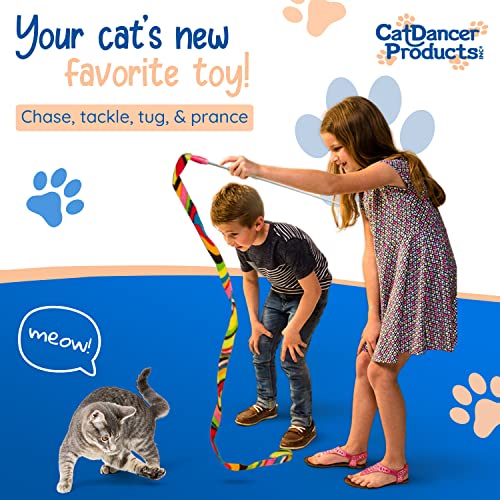
Best for burning off hunting energy: Cat Dancer Charmer
Who it suits: Young cats and kittens who stalk ankles, and owners who want a play tool that keeps hands far from teeth.
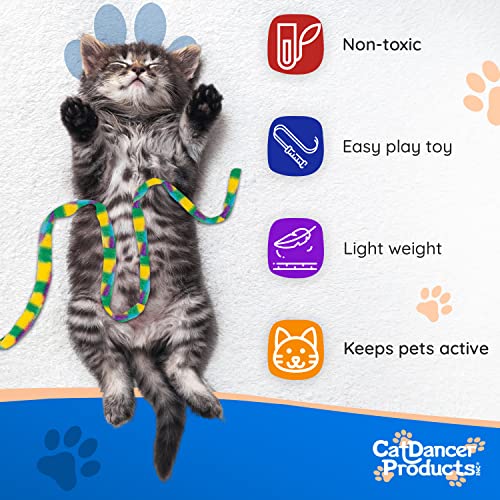
- An interactive cat toy, according to the Cat Dancer Products Amazon listing.
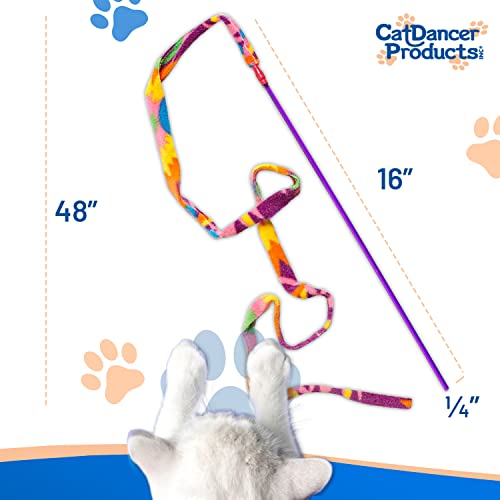
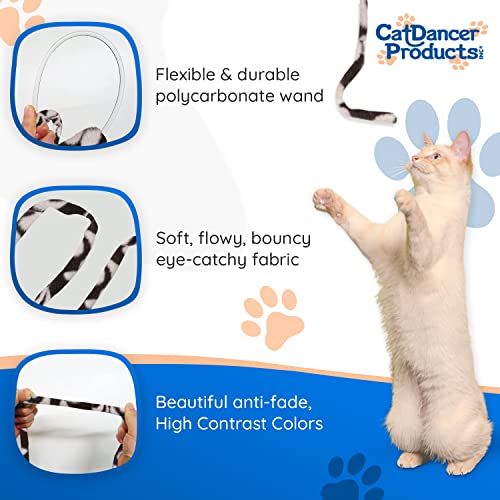
- A wand teaser with a colorful fabric ribbon, according to retail listings for the Cat Dancer Charmer.
Watch out for: Some cats chew the fabric. Put it away after play so it is not left out as a string toy, and replace it when it frays.
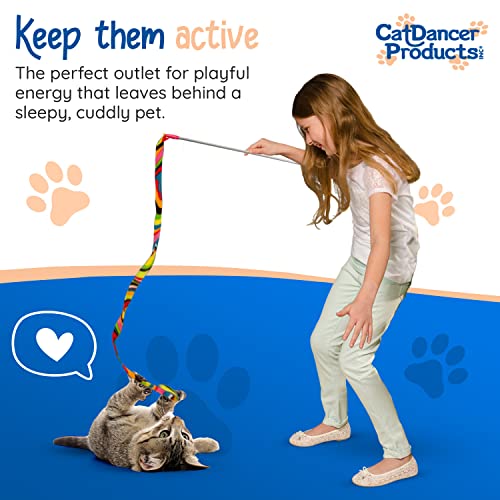
Our verdict: A long wand lets your cat chase, pounce and bite something that is not you, which is exactly what UC Davis recommends. Check current price.

Prime Cat Dancer Products Charmer Interactive Cat Toy


As an Amazon Associate we earn from qualifying purchases. Product prices and availability are accurate as of the date/time indicated.
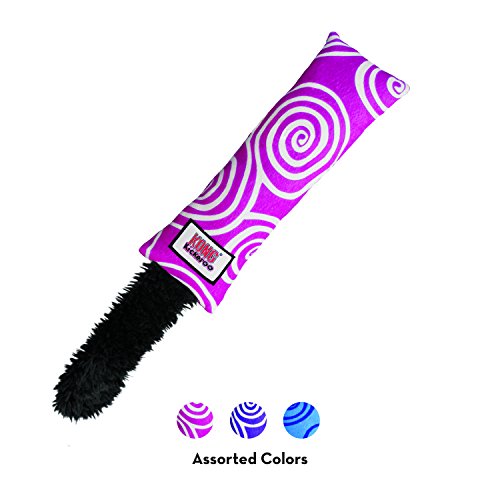
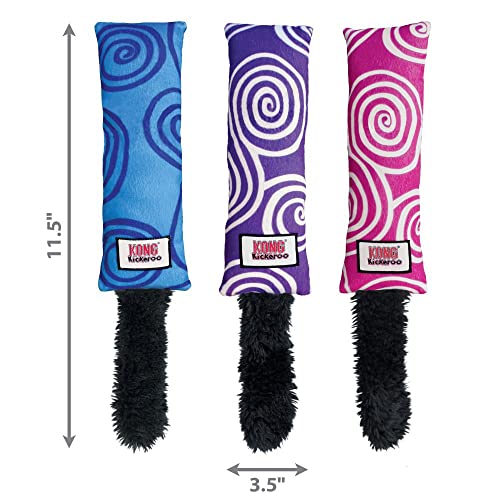
Best for cats who grab and bunny kick: KONG Kickeroo Swirl
Who it suits: Cats who grab your arm, bite and kick with their back legs during play.
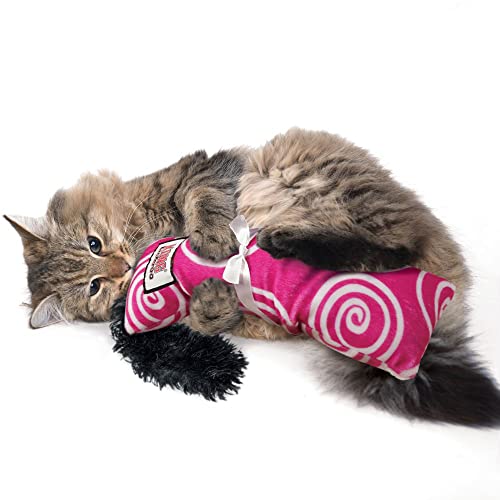
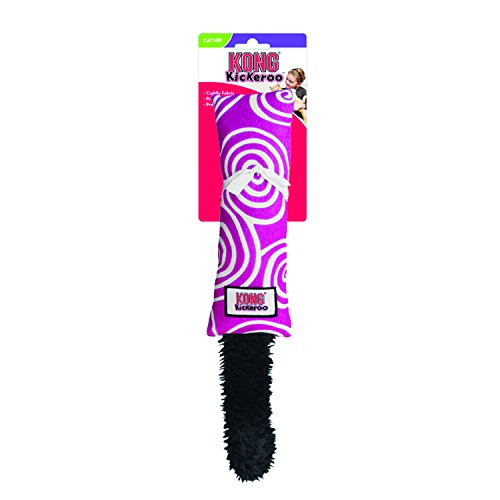
- A long, soft body designed for kicking and full-body wrestling, according to KONG.
- Filled with catnip and makes a crinkle sound, according to KONG.
Watch out for: Catnip does not interest every cat, and very young kittens often ignore it. Check plush toys for torn seams and remove any loose pieces.
Our verdict: When your cat wants to grab and kick, handing over a toy that is built for it saves your forearm. Check current price.

Prime KONG Kickeroo Swirl Cat Toy – Plush with Crinkle Sound, Soft Catnip Toy for Indoor Cats – Assorted Colors


As an Amazon Associate we earn from qualifying purchases. Product prices and availability are accurate as of the date/time indicated.
If a Bite Breaks the Skin
VCA explains that cat teeth make small, deep punctures that seal over quickly and trap bacteria under the skin. It warns that a serious infection can develop within 24 to 48 hours if left untreated, and children, older adults and people with weak immune systems are at higher risk.
- Rinse the wound under running water for several minutes.
- Clean gently with mild soap.
- Press with a clean dressing to stop bleeding.
- Call your doctor, especially for a deep puncture or a bite on the hand.
- Get medical care quickly if you see redness, swelling, pain or fever.
When to See a Vet
Call your veterinarian if your cat:
- Starts biting suddenly after years of being gentle.
- Bites when you touch one particular spot, like the back, hips or belly.
- Bites when picked up, or seems stiff, limps or avoids jumping.
- Is hiding more, eating less, or grooming much more or much less than usual.
- Bites hard enough to cause injuries, especially in a home with children.
- Still bites a lot after weeks of play and redirection. UC Davis recommends talking to a vet when aggression continues.
Quick Answers
Do cats bite to show love?
Soft nibbles can be part of grooming and bonding. Hard bites are not love. They usually mean play got too rough or your cat wants you to stop.
Should I hiss or tap my cat’s nose when it bites?
Do not tap or hit. Both Cornell and UC Davis warn against physical punishment. Stopping play and walking away works better and keeps trust intact.
Will my cat grow out of biting?
Many cats bite less as they mature, especially with plenty of toy play. UC Davis notes that kitten-style play can last until about 2 years old, so patience and consistency matter.
The Bottom Line
So, why does my cat bite me? Most bites come from play, overstimulation, fear or redirected excitement, and gentle nibbles are often a request to stop rather than an attack. Use toys instead of hands, stop petting at the first warning sign, never punish, and see a vet if biting is new or linked to touch in one spot. For more help understanding your cat, explore our cat care and behavior library.
Sources
- Feline behavior problems: aggression, Cornell Feline Health Center
- Kitten play: rough isn’t right, UC Davis School of Veterinary Medicine
- Cat bite injuries to humans, VCA Animal Hospitals
- Kickeroo Swirl, KONG Company
Want to know how we choose products? Read How We Review, or go back to the BestPurrPicks homepage for more cat care guides.





Write Your Review
No reviews yet. Be the first to share your experience!