

Last updated: October 16, 2026
The short answer: If you are asking why is my cat scratching the floor, the usual reasons are normal ones: marking territory with scent from the paws, stretching after a nap, trying to “bury” leftover food, asking for a closed door to open, or simply not having a scratcher they like in that spot. The fix is to give your cat an approved surface in the same place, in the same direction they already scratch, and to rule out stress or pain if the habit is new or intense.
This guide is based on information from the UC Davis School of Veterinary Medicine, VCA Animal Hospitals and veterinarian-reviewed guidance from Catster, plus common owner experience. We have not used these exact products at home.
The Main Reasons Cats Scratch Surfaces
- Scent marking. UC Davis explains that cats have scent glands in their paws. Scratching leaves both visible marks and a smell that says “this is mine.”
- Stretching. A long scratch is a full-body stretch, especially right after waking.
- Claw care. Scratching sheds the old outer layers of the claws.
- Communication. Scratching at a door or window often means “let me in,” “let me out” or “I want your attention.”
- Burying instinct. Cats may scratch near food or water to cover smells, the same motion they use in a litter box.
- Stress or excitement. Some cats scratch more when a new pet, visitor or outdoor cat is around.
Cat Scratching Carpet and Rugs
Many cats are horizontal scratchers. They prefer to scratch flat surfaces, and a thick rug or wall-to-wall carpet feels great under the claws. Cat scratching rug edges and carpet by doorways is especially common, because those spots are on daily routes and carry lots of scent.
What helps:
- Lay a flat cardboard or sisal scratcher right on the spot your cat uses.
- Cover the damaged area temporarily with a runner or furniture so the new scratcher is the easiest choice.
- Reward your cat every time they use the new scratcher.
Our guide to scratch pad for cats options covers flat scratchers in detail.
Why Is My Cat Scratching the Wall or Door Frame?
Walls and door frames are tall, upright and in busy places, which makes them perfect marking posts. Cat scratching door frame damage often happens at room entrances, where cats like to leave scent as they pass.
What helps: Put a tall, heavy vertical post right beside the frame. If the post is shorter than your cat’s full stretch, they will keep using the wall. A big scratching post usually solves this.
Scratching at Doors at Night
A cat that scratches the bedroom door at night usually wants in, wants out, or is bored. Responding by opening the door teaches them that scratching works.
What helps:
- Play hard with your cat before bed, then offer a meal. Many cats settle after a “hunt, eat, sleep” routine.
- Decide on a rule, either door open or door closed, and stick to it.
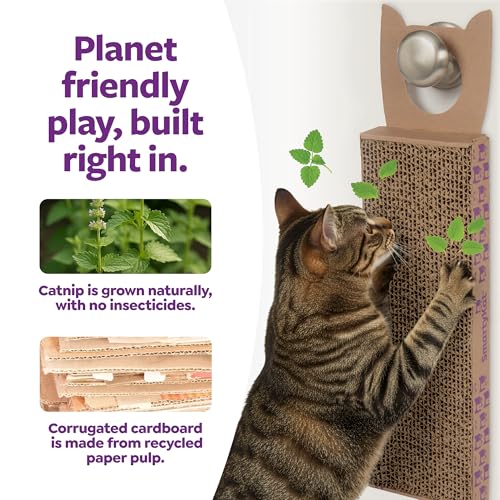
- To stop cat scratching door surfaces, hang a scratcher on the door handle or place a post beside it so scratching has a better outlet.
- Do not reward night scratching with attention or food.
Cat Scratching Around Food Bowl Areas
This one confuses lots of owners. Catster, in an article reviewed by veterinarian Dr. Paola Cuevas, explains that cats may scratch around their food to “bury” leftovers and hide smells, a habit inherited from wild ancestors. It can also mean your cat is being given more food than they want, or is simply tidying the area.
What helps:
- Offer smaller, more frequent meals so there is less left over.
- Pick up the bowl once your cat has finished eating.
- Use a washable feeding mat to protect the floor.
- Do not punish it. It is instinct, not bad behavior.
Why Is My Cat Scratching the Window?
Usually it is about what is outside: birds, insects or another cat. Some cats scratch at windows from excitement, others from frustration. If an outdoor cat is visiting, your cat may also start marking indoors more.
What helps: Give your cat a comfortable place to watch, add scratchers nearby, and block the view of a visiting cat at your cat’s eye level if it causes stress.
Why Does My Cat Use Me as a Scratching Post?
Usually it is affection, excitement or kneading that gets carried away. Some cats also scratch people during play because they learned as kittens that hands are toys.
What helps: Keep claws trimmed, use wand toys rather than hands for play, and calmly stop the interaction when claws come out. Then offer a scratcher.
Scratchers That Fit These Habits
For carpet and rug scratchers: SmartyKat Super Scratcher Chaise

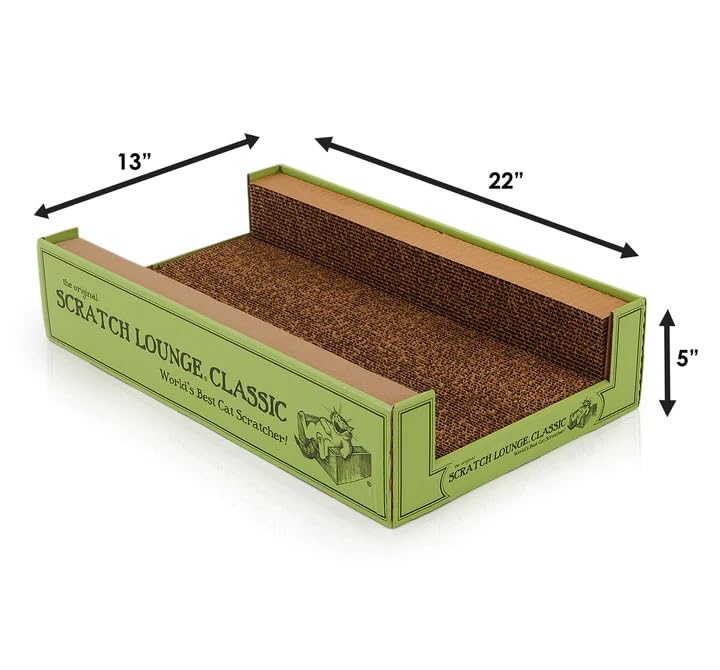
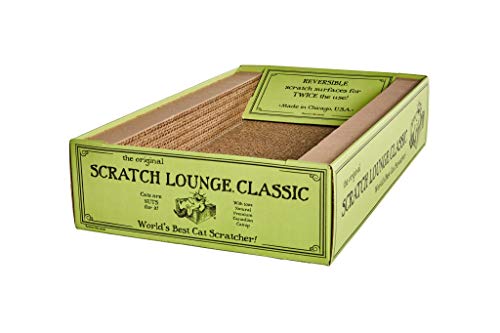
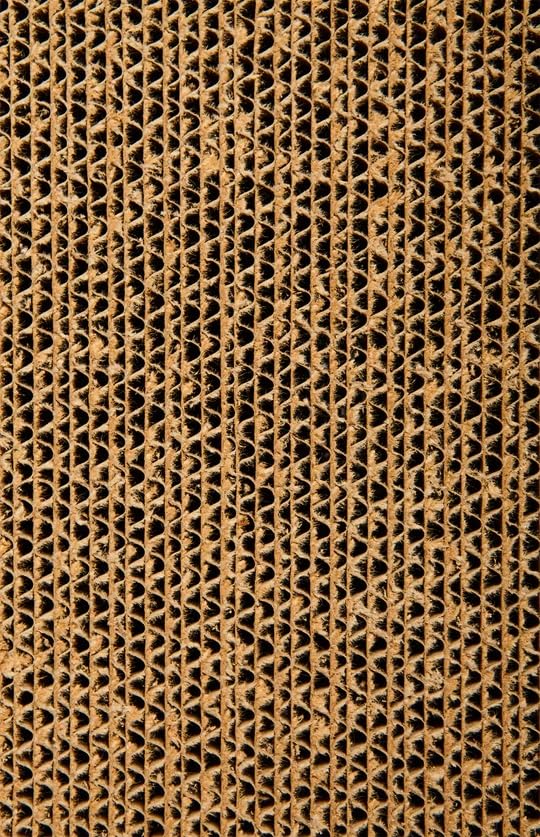
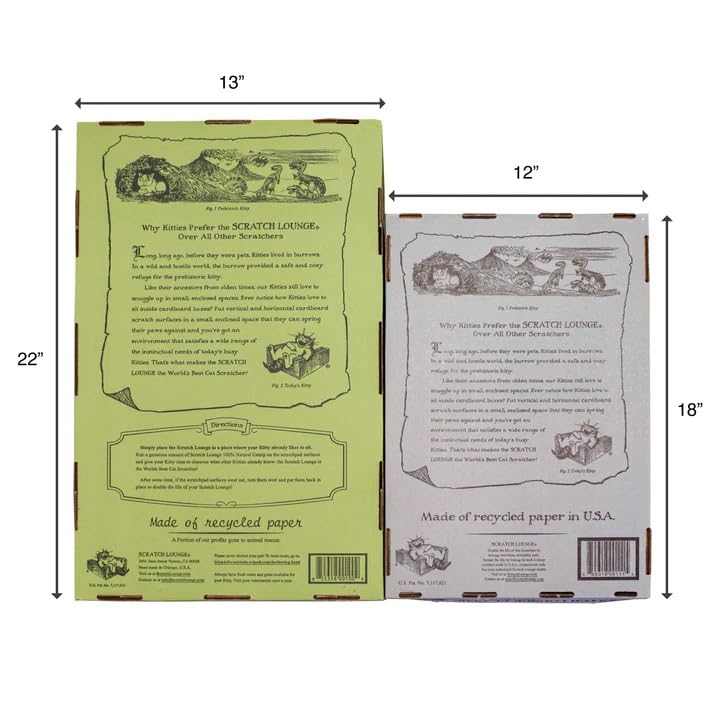
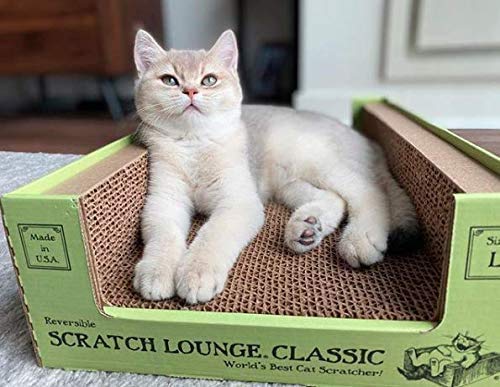
Prime The Original Scratch Lounge XL - Worlds Best Cat Scratcher - Includes Catnip


As an Amazon Associate we earn from qualifying purchases. Product prices and availability are accurate as of the date/time indicated.
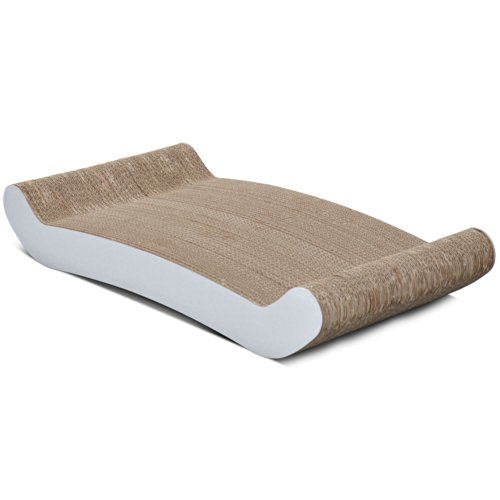
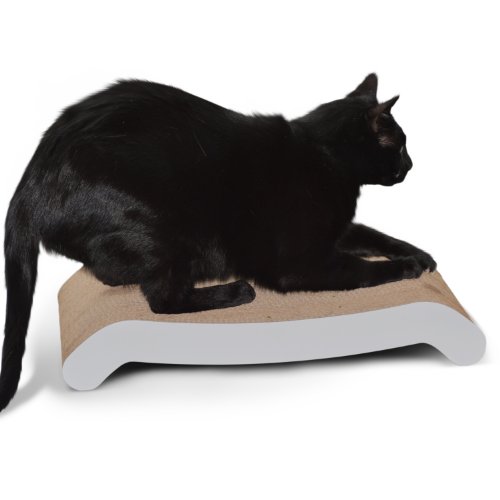
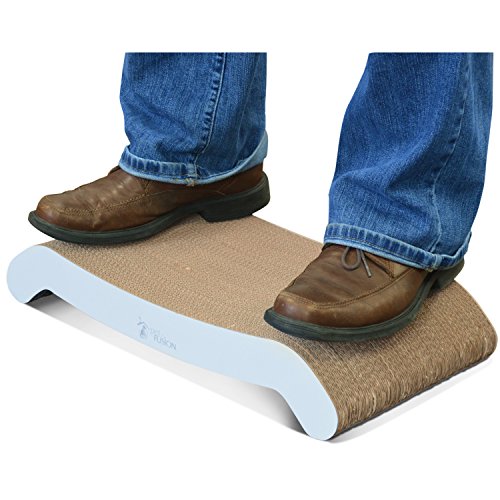
For floor scratchers who like a firm pad: PetFusion Flip Pad

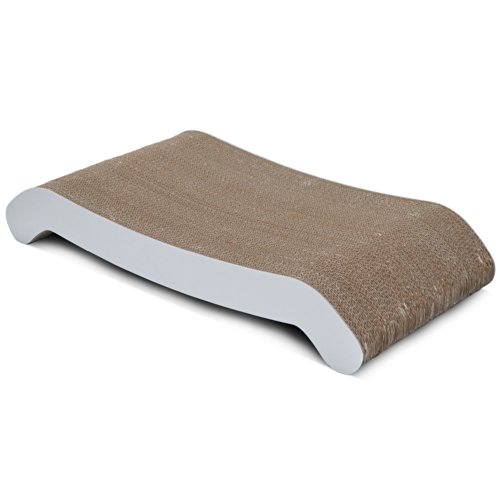
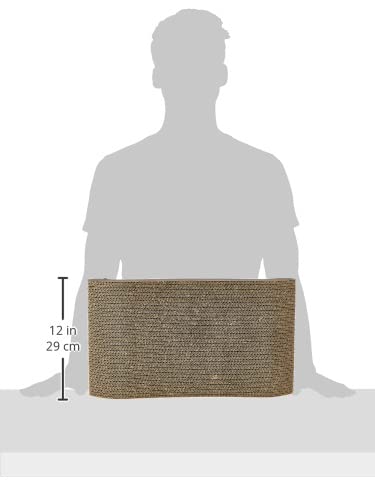
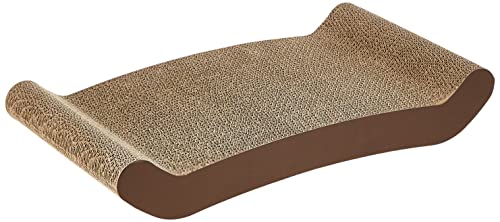
Prime PetFusion Cat Scratching Flip Pad, 2 Designs in One


As an Amazon Associate we earn from qualifying purchases. Product prices and availability are accurate as of the date/time indicated.
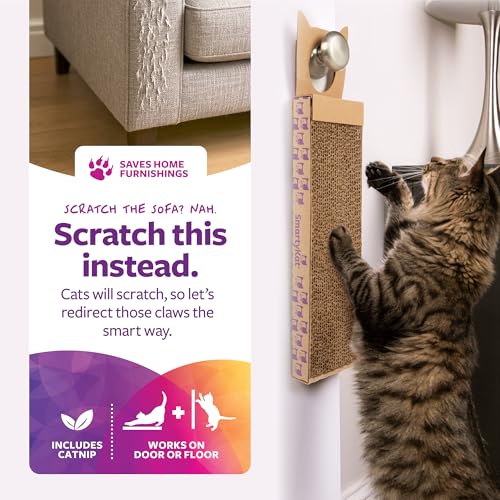
For door scratchers: SmartyKat Scratch Up Hanging Scratcher

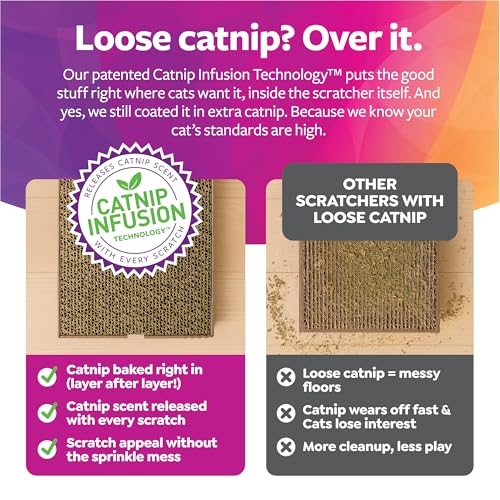
Prime SmartyKat Scratch Up Corrugated Hanging Cat Scratcher, Catnip Infusion Technology - Brown, Single Wide





As an Amazon Associate we earn from qualifying purchases. Product prices and availability are accurate as of the date/time indicated.
When to See a Vet
Important: This guide is general information, not veterinary advice. Contact your veterinarian if scratching suddenly increases a lot, comes with overgrooming, hiding, changes in eating or litter box use, or if your cat seems to be in pain. New scratching or digging behavior can be linked to stress, anxiety, conflict with other pets or discomfort. Scratching at their own body, ears or skin is a different issue and also needs a vet visit.
How to Stop the Habit Without Stress
- Work out the reason using the sections above.
- Put an approved scratcher right where the problem is, in the same direction.
- Make the target surface less appealing for a while. UC Davis suggests double-sided tape or foil.
- Reward every scratch on the right surface.
- Trim claws every 2 to 4 weeks, as UC Davis advises.
For a full training plan, see our guide on how to get a cat to use a scratching post.
The Bottom Line
Why is my cat scratching the floor, the walls or the door? Most often it is normal marking, stretching or communication, plus a lack of the right scratcher in the right place. Match the scratcher to the spot and direction, reward its use, and adjust routines like feeding and bedtime play. If the habit is new, intense or comes with other changes, check in with your vet. Find more solutions in our cat furniture and scratching guides.
Sources
- Scratching behavior in cats, UC Davis School of Veterinary Medicine
- Why does my cat scratch around their food bowl, Catster
- Degenerative joint disease in cats, VCA Animal Hospitals
Want to know how we choose products? Read How We Review, or go back to the BestPurrPicks homepage for more cat care guides.










Write Your Review
No reviews yet. Be the first to share your experience!