

Last updated: October 16, 2026
The short answer: To learn how to get cat to use scratching post habits to stick, make the post better than the furniture. Choose a tall, heavy post with a texture your cat likes, put it right where your cat already scratches, make the furniture less appealing for a while, and reward every scratch on the post with praise or a treat. Most cats switch within a few weeks when the post is in the right spot and does not wobble.
This guide is based on advice from the UC Davis School of Veterinary Medicine, VCA Animal Hospitals, Catster’s veterinarian-reviewed guidance and common owner experience. Product picks are research based. We have not used these exact products at home.
Why Cats Scratch in the First Place
Scratching is not bad behavior. UC Davis explains that it marks territory through scent glands in the paws, gives cats a full-body stretch and keeps claws healthy by shedding old outer layers. You cannot stop it, so the goal is to move it to a surface you choose.
That is also why scolding rarely works. A cat that is told off near the sofa simply learns to scratch when you are not around.
Why a Cat Won’t Use Scratching Post Options You Bought
When a post sits ignored, the cause is usually one of these:
- It is too short. Cats like to stretch fully. If the post is shorter than your cat at full stretch, the sofa arm wins.
- It wobbles. A post that tips or rocks once can put a cat off for good.
- Wrong texture. Many cats prefer rough sisal. Some prefer cardboard. Soft carpet can be too similar to your rugs.
- Wrong direction. Some cats scratch upright, others scratch flat on the floor. Watch which your cat does.
- Wrong place. A post hidden in a spare room will lose to the sofa in the living room every time.
If height and stability are the problem, our guide to the vertical cat scratcher options covers sturdy posts. For cats who scratch flat surfaces, our guide to a horizontal cat scratcher is a better place to start.
Step-by-Step: How to Teach Cat to Use Scratching Post Spots
- Watch first. Note where, when and how your cat scratches. Upright or flat? Sofa arm, rug or door frame? Right after waking up?
- Match the post to the habit. Pick the same direction and a similar or better texture. Rough sisal suits most upright scratchers.
- Put it right there. UC Davis advises placing posts where your cat already likes to scratch. Put the post directly in front of, or next to, the furniture being damaged. You can move it a little later, once the habit is set.
- Add posts near sleeping spots. Many cats stretch and scratch as soon as they wake up.
- Make it interesting. Rub catnip or silvervine on the post, or drag a wand toy up it so your cat’s claws catch the surface while playing.
- Reward every use. Praise, a treat or a short play session straight after scratching the post builds the habit fast.
- Make the furniture less appealing for now. UC Davis suggests double-sided tape or foil on target spots, and notes many cats dislike citrus scents. Remove these once your cat has switched.
- Redirect calmly. If you catch your cat scratching the sofa, calmly pick them up or lure them to the post and reward them there. Do not punish.
Help From Pheromones
FELIWAY’s Feliscratch is designed to attract cats to a chosen scratcher using a synthetic pheromone and catnip, applied as visible lines on the post. It does not replace placement and rewards, but it can speed things up. UC Davis also suggests asking your veterinarian about synthetic facial pheromone products for cats who scratch to mark territory.
Special Cases
How to get kitten to use scratching post
Start early. Put a small post and a cardboard pad wherever your kitten plays, and reward every use. UC Davis notes that early introduction works best, but older cats can learn too.
How to get an older cat to use a scratching post
Older cats often prefer flat or slightly angled scratchers that do not need a big stretch. If your cat suddenly stops scratching altogether, mention it to your vet. VCA lists reduced claw sharpening as one of the subtle signs of joint disease in cats.
How to get cat to use cat tree platforms and posts
The same rules apply: place the tree near where your cat spends time, ideally by a window, and use treats and play to draw them up. Make sure it does not wobble. Our guide on why are cat trees so expensive explains what separates a stable tree from a wobbly one.
Multi-cat homes
Give each cat options in different rooms. One post in a busy hallway may be “owned” by one cat.
Products That Can Help
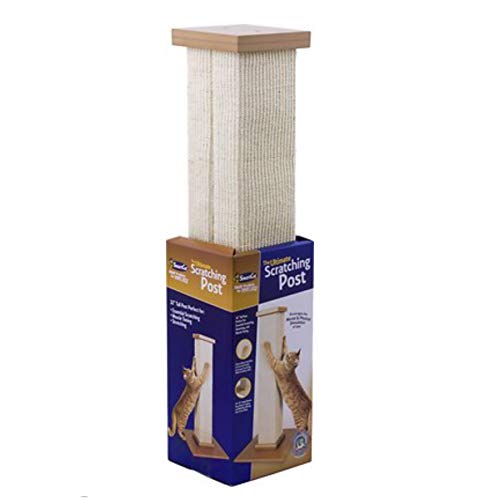
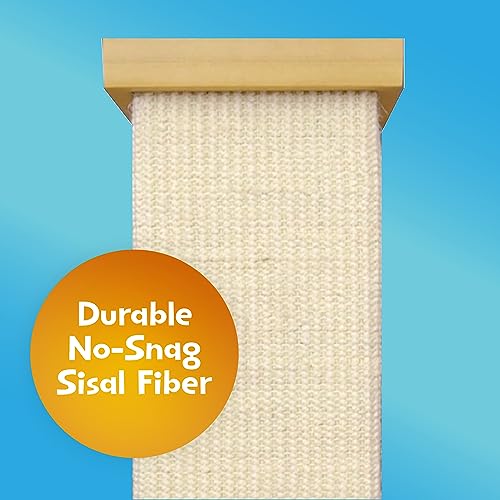
A tall, heavy sisal post: SmartCat Ultimate Scratching Post

Prime SmartCat Pioneer Pet Ultimate Scratching Post (Beige)



As an Amazon Associate we earn from qualifying purchases. Product prices and availability are accurate as of the date/time indicated.
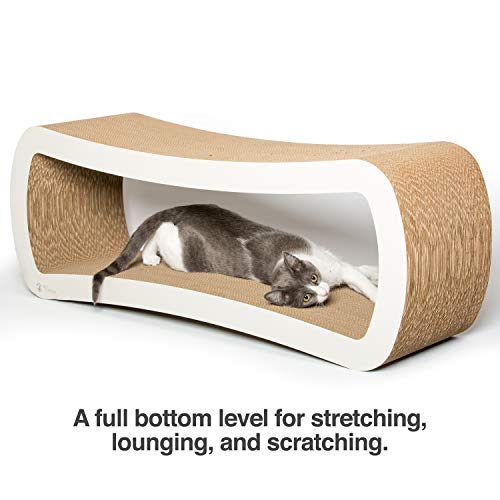
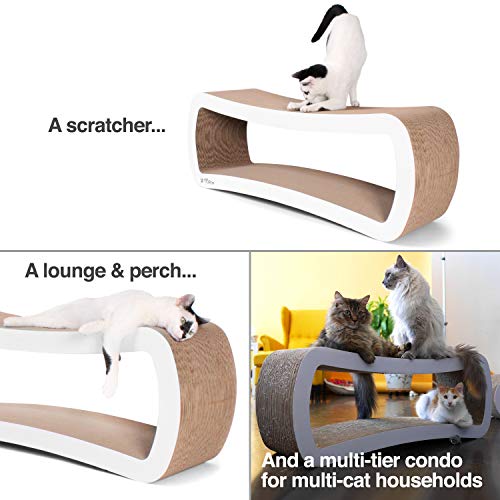
A flat scratcher for floor scratchers: PetFusion Jumbo Cat Scratcher Lounge

Prime PetFusion Jumbo Cat Scratcher Lounge (99 x 28 x 36 cm, Cloud White). Superior Cardboard & Construction, significantly outlasts cheaper alternatives.



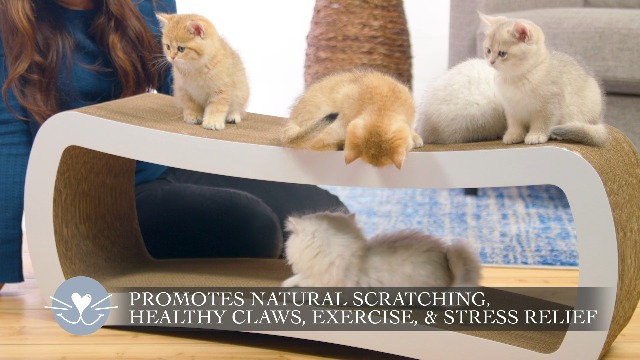
As an Amazon Associate we earn from qualifying purchases. Product prices and availability are accurate as of the date/time indicated.
Keep Claws in Check While You Train
UC Davis recommends trimming nails every 2 to 4 weeks. Shorter tips do less damage while your cat is learning. Soft vinyl nail caps are another option during training, as long as you check them weekly.
When to Talk to Your Vet
Important: This guide is general information, not veterinary advice. Talk to your veterinarian if your cat suddenly starts scratching much more than usual, stops scratching or grooming, limps, avoids jumping, or seems stressed. Changes in scratching can be linked to pain, anxiety or conflict with other pets.
Quick Answers
How long does it take to train a cat to use a scratching post?
Many cats switch within a few days to a few weeks once the post is in the right place. Habits built over months on a favorite sofa may take longer.
Why is my cat not using scratching post options next to the couch?
Check height, stability and texture. If the post is shorter than the sofa arm or wobbles, your cat will keep choosing the sofa. Our guide on cat scratching sofa damage covers more fixes.
Is it ever too late to figure out how to get a cat to use a scratching post?
No. Adult and senior cats can learn too. It may take longer, so be patient and keep rewards consistent.
Should I put my cat’s paws on the post?
Gently, if your cat tolerates it. UC Davis suggests placing paws on the surface to encourage kneading. If your cat pulls away, use a wand toy instead.
The Bottom Line
If you are wondering how to get cat to use scratching post spots instead of your furniture, focus on three things: the right post, the right place and a reward every time. Pick a tall, steady post with a texture your cat likes, put it right beside the furniture they target, make that furniture less appealing for a few weeks and praise every correct scratch. For more ideas, see our scratchers and cat trees section.
Sources
- Scratching behavior in cats, UC Davis School of Veterinary Medicine
- Degenerative joint disease in cats, VCA Animal Hospitals
- Are jute rope scratching posts safe for cats, Catster
Want to know how we choose products? Read How We Review, or go back to the BestPurrPicks homepage for more cat care guides.










Write Your Review
No reviews yet. Be the first to share your experience!