

Last updated: November 14, 2026
The short answer: For most indoor cats, how often to trim cat nails comes down to about every 10 days to 2 weeks, which is what the ASPCA recommends. Check the dewclaws every time, since they never wear down. Seniors and less active cats often need trims more often, while cats who use a scratching post a lot may stretch closer to two weeks. Cut only the clear or white tip and keep styptic powder nearby.
This guide is research based. It draws on claw care advice from the ASPCA, Washington State University’s veterinary teaching hospital and Hill’s Pet Nutrition, plus brand information and common owner experience. We have not used these products at home.
Why Indoor Cats Need Regular Trims
Cats grow their claws in layers and shed the outer sheath by scratching. Indoor cats on carpet and soft floors do not wear their claws down much, so the tips stay long and needle sharp. Long claws snag on blankets, scratch skin during play and do more damage to furniture.
Left too long, a claw can curl around and grow into the paw pad. Hill’s notes ingrown nails are most likely in cats whose nails go untrimmed and who have no scratching posts. That is painful, can get infected and usually means a vet visit.
How Often, by Cat
- Most adult indoor cats: every 10 days to 2 weeks, per the ASPCA.
- Kittens: their tiny claws are very sharp, and short, frequent sessions get them used to paw handling for life. WSU advises starting young.
- Senior and less active cats: they scratch less, so claws can get thick and overgrown. Check every week and trim as needed.
- Polydactyl cats (extra toes): extra claws, often in awkward spots, are easy to miss. Count them each time.
- Cats who scratch a lot on sisal posts: the outer layers shed more often, so you may get closer to two weeks.
The same schedule works whatever you call it. If you have been searching how often to clip cat nails or how often to cut cat nails, the answer is the same: roughly every two weeks, plus a quick look at the paws in between.
Signs It Is Time for a Trim
- You hear tapping or clicking on hard floors.
- Claws catch on blankets, carpet or your clothes.
- The tips look hooked or needle sharp.
- A dewclaw is starting to curve toward the skin.
Finding the Quick
The cat nail quick is the pink area inside the claw that holds blood vessels and nerves. Cutting into it hurts and bleeds. Gently press the toe pad so the claw extends, then look from the side.
- Light claws: the pink quick is easy to see near the base. WSU suggests staying about 2 mm away from it.
- Dark claws: you cannot see the quick, so WSU suggests cutting in several small pieces. Take a thin slice at a time and stop well before the base.
- When in doubt: take less. Removing only the sharp, curved tip is enough to blunt it.
A Calm Trimming Routine
- Pick a sleepy moment, such as after a meal, in a quiet room.
- Practice paw handling first. Touch a paw, press the pad, reward. The ASPCA suggests getting your cat used to the sound of the clipper too.
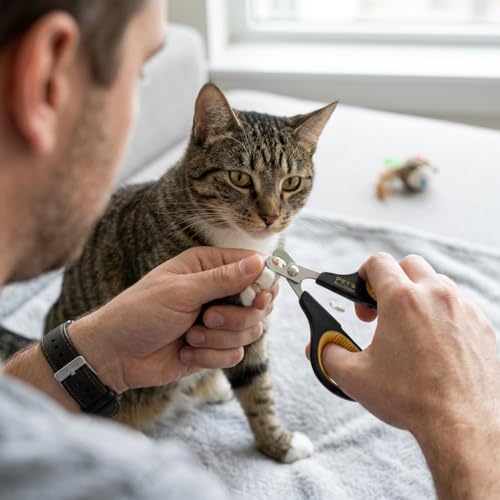
- Hold your cat on your lap, facing away from you. Some cats do better wrapped loosely in a towel with one paw out at a time.
- Trim one or two claws, then stop. The ASPCA advises not doing more than two claws per sitting until your cat is comfortable. Spread a full trim over a few days if you need to.
- Reward right away with a treat or a few minutes of play.
Not sure which tool to use? Our comparison of scissor, guillotine and cat nail grinder options explains which style suits which cat.
Three Things That Make It Easier
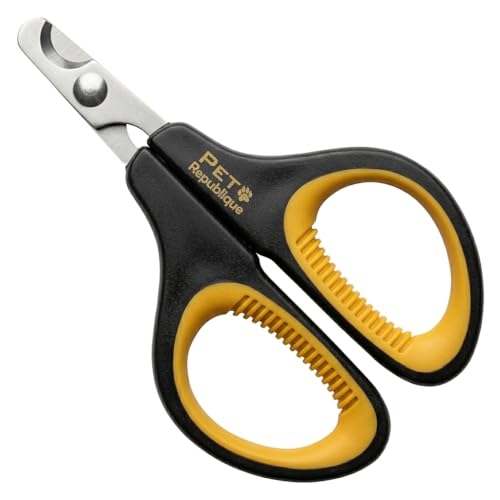
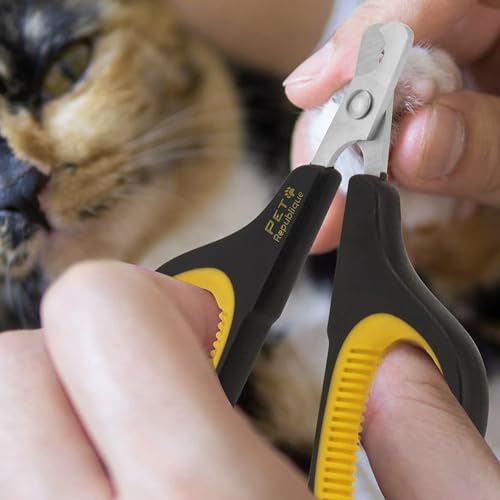
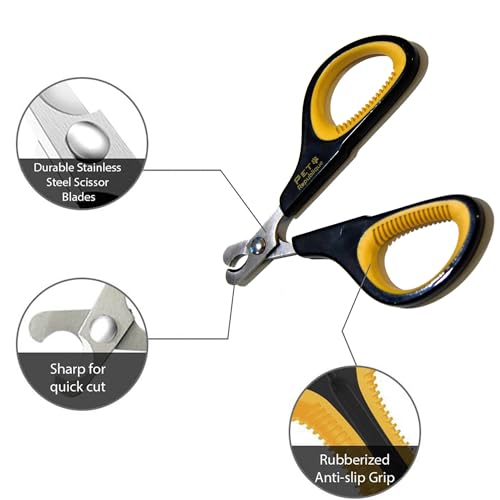
An easy first clipper: Pet Republique Scissor Clipper
Who it suits: First-time trimmers, kittens and anyone who wants to see the whole cut.
- A stainless steel scissor-style clipper sized for cats, according to Pet Republique.
- Scissor-style trimmers are often used for dewclaws, WSU notes.
Watch out for: Small handles can feel cramped in large hands. Clean and dry the blades after use.
Our verdict: A forgiving tool for building a regular routine. Check current price.

Prime Cat Nail Clippers by Pet Republique – Professional Stainless-Steel Nail Clipper for Cats, Kittens, Hamster, Rabbits, Birds, & Small Breed Animals Claw Trimmer (Black+Yellow)




As an Amazon Associate we earn from qualifying purchases. Product prices and availability are accurate as of the date/time indicated.
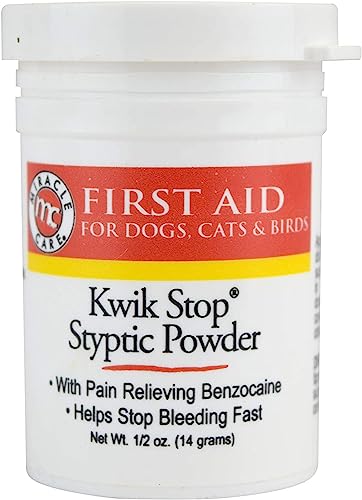
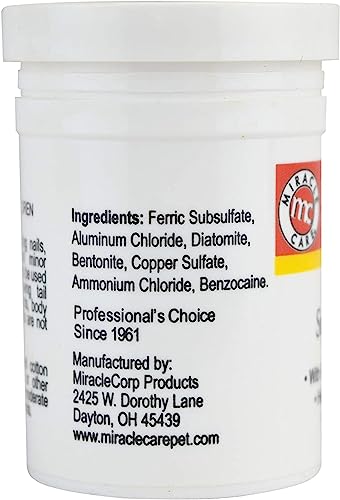
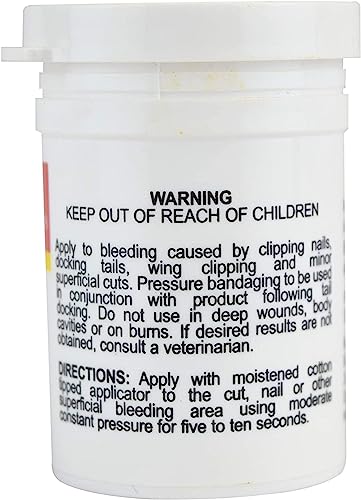
Your safety net: Miracle Care Kwik Stop Styptic Powder
Who it suits: Every home that trims claws.
- A styptic powder for dogs, cats and birds, according to the Miracle Care listing.
- WSU notes that without styptic powder, bleeding may take about five minutes to stop.
Watch out for: It is for minor nail bleeding only. Bleeding that will not stop needs a vet.
Our verdict: Open it and set it on the table before you start. Check current price.

Prime Miracle Care Kwik Stop Styptic Powder for Dogs, Cats and Birds, 0.5 Ounce, Fast Acting Blood Stop Powder with Pain Relieving Benzocaine (Pack of 6)





As an Amazon Associate we earn from qualifying purchases. Product prices and availability are accurate as of the date/time indicated.
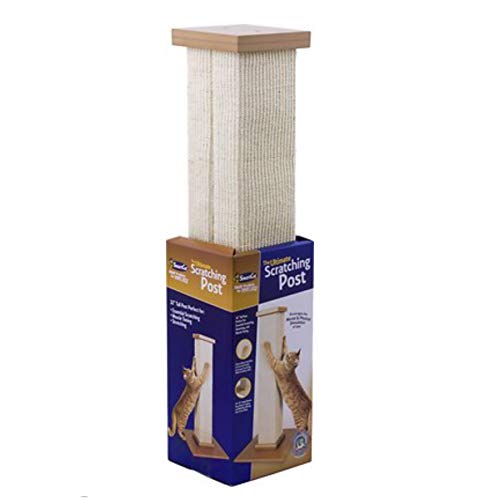
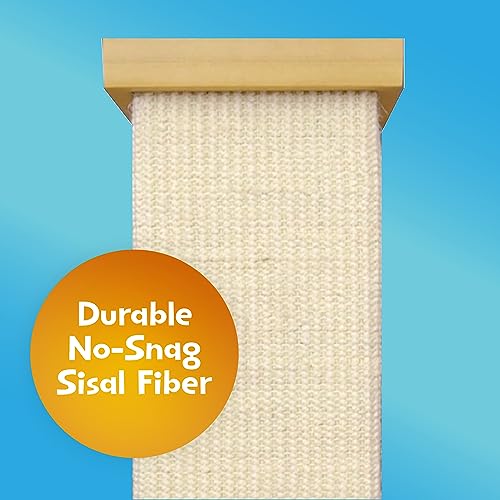
Between trims: SmartCat Ultimate Scratching Post
Who it suits: Every cat. Scratching sheds the old outer layers of the claw and gives the urge somewhere to go besides your sofa.
- A tall, heavy post wrapped in woven sisal, according to SmartCat.
- Hill’s lists scratching posts among the ways to help prevent ingrown nails.
Watch out for: A post only helps if your cat uses it. Place it near where your cat already scratches.
Our verdict: The low-effort half of good claw care. Check current price.

Prime SmartCat Pioneer Pet Ultimate Scratching Post (Beige)



As an Amazon Associate we earn from qualifying purchases. Product prices and availability are accurate as of the date/time indicated.
If your older cat ignores posts, our guide on how to get an older cat to use a scratching post has placement and reward ideas. And if scratches on people are the main worry, cat nail covers can blunt claws between trims.
If You Cut the Quick
Do not panic. Press a pinch of styptic powder onto the tip and hold gentle pressure. End the session, give a treat and try the next claw another day.
When to See a Vet
- A claw has grown into the paw pad. Hill’s advises booking a visit as soon as possible.
- A toe is swollen, red or has yellow or green discharge.
- Your cat is limping or keeps licking or biting one paw.
- Bleeding does not stop after several minutes of pressure and styptic powder.
- Claws are suddenly brittle, split or misshapen.
- Your cat cannot be handled safely. The ASPCA suggests a groomer or your vet.
Quick Answers
Should I trim the back claws too?
Back claws are usually shorter and blunter and cause less damage, but they still grow. Check them at each session and trim the tips when they look sharp or long.
Is cat nail trimming painful for my cat?
Cutting only the clear tip does not hurt, much like trimming your own fingernails. Pain comes from cutting the quick or squeezing the toe too hard, so go slowly.
Can a vet or groomer do it instead?
Yes. Many clinics offer quick nail trims, and WSU suggests learning the technique from a veterinarian or vet technician first.
The Bottom Line
For most cats, the simple rule for how often to trim cat nails is every 10 days to 2 weeks, with a weekly paw check for seniors, polydactyls and the dewclaws. Take only the sharp tip, do one or two claws at a time if your cat is nervous, and keep styptic powder within reach. For more claw and coat routines, see more of our grooming guides.
Sources
- Cat Grooming Tips, ASPCA
- How to clip a cat’s nails, Washington State University Veterinary Teaching Hospital
- Cat ingrown nails, Hill’s Pet Nutrition
Want to know how we choose products? Read How We Review, or go back to the BestPurrPicks homepage for more cat care guides.






Write Your Review
No reviews yet. Be the first to share your experience!