

Last updated: November 12, 2026
The short answer: For most healthy indoor cats, the honest answer to how often should you bathe a cat is “rarely, maybe never”. Cats clean themselves well, and the ASPCA says a bath is needed when a cat is very dirty or gets into something sticky or smelly. The exceptions are hairless breeds, cats who cannot groom because of weight, arthritis or age, and cats whose vet prescribes medicated baths for a skin problem.
This guide is research based. It draws on bathing guidance from the ASPCA and VCA Animal Hospitals, breed notes from Purina, brand information and common owner experience. We have not used these products at home.
Why Most Cats Do Not Need Baths
VCA Animal Hospitals notes that most healthy adult cats are fastidious groomers and rarely need a bath. Their rough tongues remove loose hair and dirt and spread natural oils through the coat. Washing a cat that is already clean adds stress for both of you and can leave shampoo residue that irritates the skin.
For a typical cat, regular brushing does more for the coat than bathing. The ASPCA suggests brushing once or twice a week to remove dead hair, dirt and loose skin flakes.
A Rough Guide by Cat Type
- Healthy short-haired indoor cat: only when something gets on the coat that your cat cannot or should not lick off.
- Long-haired cat: occasional baths can help, often for a messy rear end. Daily brushing matters far more.
- Hairless breeds such as the Sphynx: Purina says they need a bath every few weeks with a gentle shampoo, because there is no hair to absorb the oils their skin makes.
- Senior, arthritic or overweight cats: VCA lists these cats among those who may need occasional baths, since they struggle to reach parts of their body. Spot cleaning is often enough.
- Cats with allergies or skin disease: your vet may prescribe regular medicated baths. Follow that schedule, not a general rule.
- Outdoor adventures: a cat who met a skunk or rolled in oil or something toxic needs washing right away, and a toxic substance means a call to your vet first.
So if you are asking how often should I bathe my cat because your cat smells, has greasy fur or a dull coat, the real question may be why. A cat who suddenly stops keeping clean may be in pain or unwell, which deserves a vet check rather than more baths.
Signs a Bath Is Actually Needed
- Something sticky, oily or smelly is on the fur.
- Urine or stool is stuck to the back end and spot cleaning will not shift it.
- Your vet has prescribed a medicated shampoo.
- Your hairless cat’s skin feels oily or leaves marks on bedding.
Gentler Options Between Baths
Many cats who seem to need a bath really need a spot clean. A damp washcloth, a pet wipe or a waterless foam handles most small messes with far less stress. VCA suggests asking your vet about a dry shampoo if your cat needs frequent cleaning.
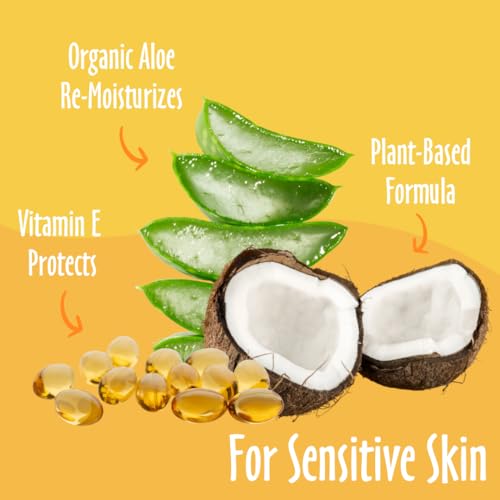
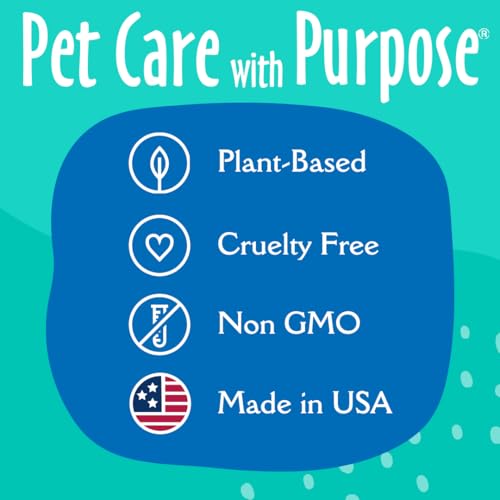
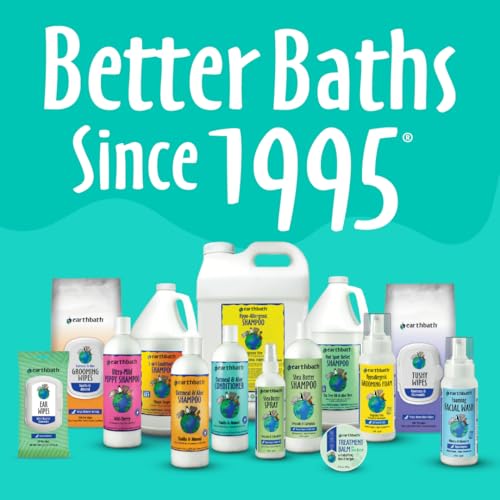
For spot cleans without water: earthbath Hypoallergenic No-Rinse Cat Grooming Foam
Who it suits: Cats who panic in water, seniors who cannot groom their back, and quick cleanups.
- A fragrance-free, rub-on, towel-off foam, according to earthbath.
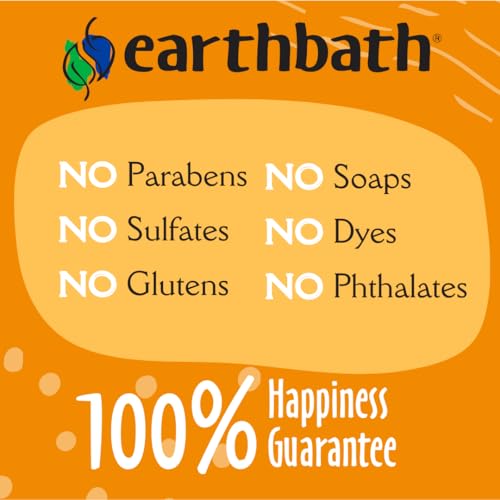
- Free of soap, sulfates, parabens and alcohol, and safe for cats over 6 weeks, according to earthbath.
Watch out for: Cats will lick some of it off, so use a small amount and towel off well.
Our verdict: The easiest way to clean a small area without a full bath. Check current price.

Prime earthbath Hypoallergenic No-Rinse Cat Grooming Foam, 4 Oz


As an Amazon Associate we earn from qualifying purchases. Product prices and availability are accurate as of the date/time indicated.
For a real bath: earthbath Oatmeal and Aloe Itch Relief Shampoo
Who it suits: Owners of hairless cats, cats with very dirty coats, and anyone whose vet says a gentle bath is fine.
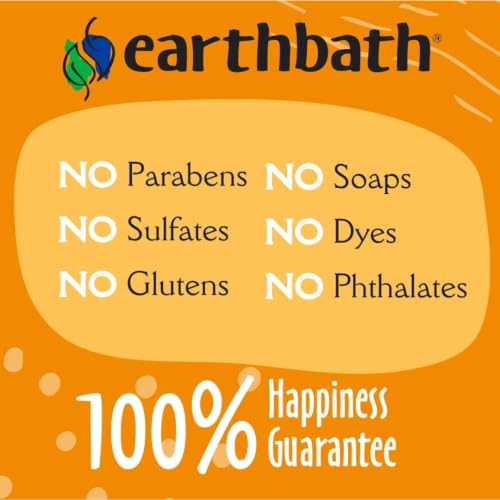
- Made with colloidal oatmeal and organic aloe vera, soap free and pH balanced, according to earthbath.
- Earthbath says it is concentrated, can be diluted, and is safe for pets over 6 weeks.
Watch out for: This listing is a big 128 oz jug with a vanilla and almond scent. If your cat is sensitive to smells, earthbath also offers a fragrance-free version.
Our verdict: A mild, widely available shampoo for the occasional bath. Check current price.

Prime earthbath Oatmeal & Aloe Itch Relief Shampoo, Made in USA, 128 Oz (1 Pack)





As an Amazon Associate we earn from qualifying purchases. Product prices and availability are accurate as of the date/time indicated.
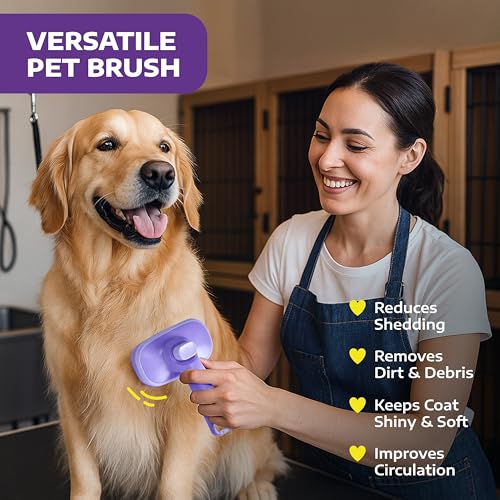
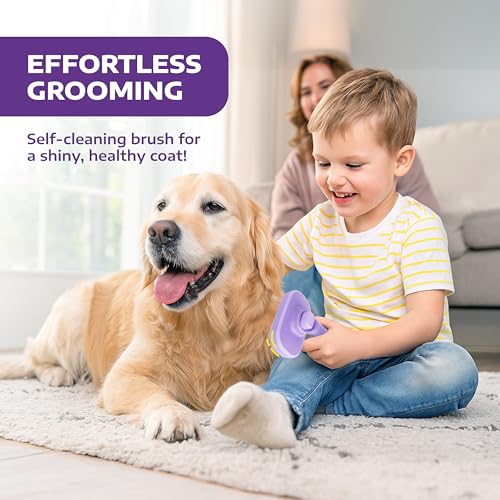
Brush before you wash: Hertzko Self Cleaning Slicker Brush
Who it suits: Medium and long-haired cats. The ASPCA advises brushing out loose hair and mats before any bath.
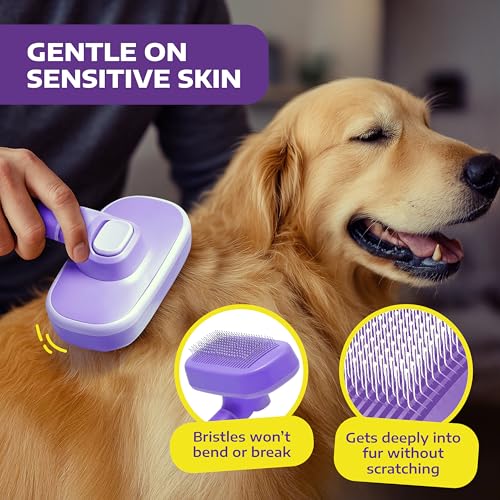
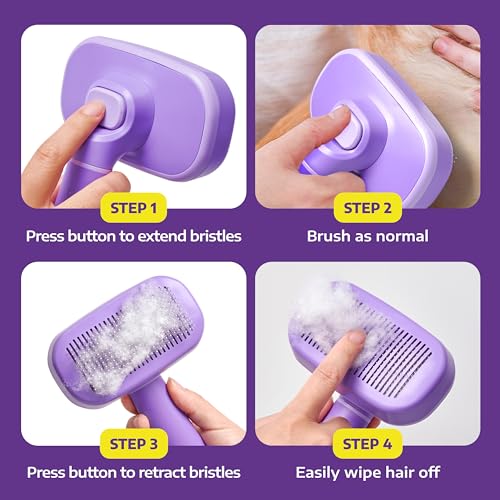
- Retractable bristles for easy cleaning, according to the Hertzko listing.
- Fine bristles reach through the topcoat to loosen tangles.
Watch out for: Slicker bristles can scratch if you press hard. Use light, short strokes.
Our verdict: Regular brushing with a tool like this is what keeps most cats out of the tub in the first place. Check current price.

Prime Hertzko Self Cleaning Slicker Brush for Dogs and Cats - Pet Hair Brush for Shedding Long and Short Hair - Easy Clean Retractable Bristles - Cat and Dog Grooming Tool - Purple




As an Amazon Associate we earn from qualifying purchases. Product prices and availability are accurate as of the date/time indicated.
How to Bathe a Cat When You Have To
- Trim the claws first and brush out the coat, as the ASPCA suggests. Our guide to cat nail clippers covers which tool is easiest to start with.
- Tire your cat out with a play session, then wait until they are calm.
- Set up the sink or tub with a rubber mat and 3 to 4 inches of lukewarm water, never hot. Place cotton gently in the ears to keep water out.
- Wet the coat with a hand sprayer or a plastic cup, keeping water away from the eyes, ears and nose.
- Use a shampoo made for cats. The ASPCA suggests one part cat shampoo to five parts water, massaged from head to tail. Avoid human shampoo, which can dry out the skin.
- Rinse thoroughly until no residue is left. Wipe the face with a damp washcloth instead of shampoo.
- Dry in a warm, draft-free room with a large towel. A blow dryer on the lowest setting is fine only if your cat tolerates it.
- Reward with praise and a favorite treat.
If your cat fights hard enough that someone could get hurt, stop. The ASPCA suggests a professional groomer or your vet instead.
When to Talk to Your Vet
- Your cat has stopped grooming, looks greasy or unkempt, or smells unusual.
- There is heavy dandruff, red skin, scabs or bald patches.
- Your cat got into paint, oil, antifreeze, essential oils or another chemical.
- Your cat seems to need a bath more than once a month without a clear reason.
If flaky skin is the reason you are reaching for shampoo, read our guide before buying a cat dandruff shampoo, since the cause is often dry air or grooming trouble rather than a dirty coat. And for long coats that shed everywhere, a cat deshedding brush helps more than any bath.
Quick Answers
Can bathing too often hurt my cat?
It can. Frequent baths can dry the skin and wash away natural oils. VCA notes that if your cat needs frequent bathing, your vet may suggest a dry shampoo or a medicated shampoo with a conditioning rinse to protect the skin.
How often should you wash your cat’s face?
Only when it is dirty, for example crust in the corners of the eyes or food on the chin of a flat-faced breed. A soft damp cloth is usually enough. Ongoing eye discharge is worth a vet visit.
How often to bathe a cat with fleas?
A bath alone does not solve fleas. Ask your vet for a flea product made for cats, and never use a dog flea shampoo on a cat.
The Bottom Line
How often should you bathe a cat? For most healthy cats, only when they get into a real mess. Hairless breeds need a bath every few weeks, and cats who cannot groom or have skin problems need a plan from your vet. For everyone else, regular brushing and the odd spot clean keep the coat in good shape. For more coat and claw care, explore our cat grooming and cleaning section.
Sources
- Cat Grooming Tips, ASPCA
- Grooming and Coat Care for Your Cat, VCA Animal Hospitals
- Sphynx breed profile, Purina
- Hypoallergenic Cat Grooming Foam, earthbath
Want to know how we choose products? Read How We Review, or go back to the BestPurrPicks homepage for more cat care guides.


Write Your Review
No reviews yet. Be the first to share your experience!