

Last updated: November 13, 2026
The short answer: If you keep asking why does my cat meow so much, the usual reasons are hunger, wanting attention, boredom or simply having a chatty personality. In older cats, a sudden increase in meowing can point to a medical problem such as an overactive thyroid, high blood pressure or age-related confusion. Start with a vet check if the meowing is new, then work on routine, play and not rewarding the noise.
This guide is based on information from the ASPCA and the MSPCA-Angell animal hospital. The two product picks below are research based. We have not used these products at home.
Important: This guide is general information, not veterinary advice. If your cat’s meowing has changed suddenly, or comes with changes in appetite, thirst, weight or litter box habits, talk to your veterinarian.
Why Cats Meow at All
A lot of meowing is aimed at people, because it works. Every time a meow leads to food, a door opening or a cuddle, your cat learns to meow a little more.
That means most “too much meowing” is a conversation your cat thinks is going well. The goal is not silence. It is figuring out what your cat is asking for, meeting the real needs, and stopping the accidental rewards.
Common Reasons for a Very Vocal Cat
Saying hello
The ASPCA notes that many cats meow to greet you when you come home or walk into a room. This is normal, and the ASPCA says it is hard to change. Enjoy it.
Hunger and food routines
Some cats learn to meow at mealtimes, or every time someone walks into the kitchen, according to the ASPCA. Cats who are fed whenever they ask quickly learn that persistence pays.
Attention and loneliness
The ASPCA says cats left alone for long periods each day may be more likely to meow for attention. If your cat follows you around chatting the minute you get home, more play and company may be what it needs. Cats who meow, then grab or nip for attention show the same pattern, which our guide on why does my cat randomly bite me covers.
Breed and personality
According to the ASPCA, some breeds, notably the Siamese, are prone to lots of meowing and yowling. Some cats of any breed are just talkers.
Heat and mating
Unspayed females in heat and unneutered males can meow and yowl relentlessly, the ASPCA notes. Spaying or neutering is the long-term fix.
Unmet needs
Before you assume your cat is being demanding, the ASPCA suggests checking for a real problem, like an empty water bowl or a dirty or blocked litter box. A cat who meows near the litter box and strains to pee needs a vet right away, since a urinary blockage is an emergency.
Medical problems
When owners ask why does my cat keep meowing even though it is fed, played with and has a clean box, this is the group to consider. The ASPCA says a cat who meows a lot should be checked by a veterinarian to rule out a medical cause. MSPCA-Angell lists several common ones in older cats:
- Hyperthyroidism. An overactive thyroid can increase vocalizing, along with weight loss and heavy drinking. MSPCA-Angell says it is fairly easy to diagnose in most cats and can be treated.
- High blood pressure. Often found along with kidney disease, and treatable with medication, according to MSPCA-Angell.
- Cognitive dysfunction. Brain aging in older cats can cause nighttime waking, often with vocalizing. There is no cure, but MSPCA-Angell says supplements and medications can improve signs.
- Hearing or vision loss. MSPCA-Angell notes cats with sensory loss tend to vocalize more, and a deaf cat may meow loudly because it cannot hear itself.
Why Does My Cat Meow at Night?
Night meowing is the version that sends most owners searching. In a young, healthy cat, MSPCA-Angell says more vocalizing is most likely about food or attention. Many cats also have their busiest, most playful time in the evening and early morning, which clashes with human sleep.
A cat that sleeps all day while you are at work may simply have energy left over at 3 a.m. And the ASPCA describes the familiar pattern of cats meowing to wake their owners for breakfast.
In an older cat, the picture changes. If you are wondering why does my cat cry at night when it never used to, take it to the vet. MSPCA-Angell lists nighttime waking with vocalizing as a sign of cognitive dysfunction, and thyroid disease, high blood pressure and sensory loss can all play a part. Older cats who seem confused may also stare at nothing for long periods, which our guide on why does my cat stare at the wall explains.
Yowling is different from meowing
If the question is why does my cat yowl at night, look at three things. Is your cat unspayed or unneutered? Is it a senior? Can it see or hear outdoor cats through a window? Heat, age-related confusion and outdoor cats are common reasons for that long, loud, mournful sound. Any new yowling in an older cat deserves a vet visit.
How to Quiet a Chatty Cat Kindly
- Rule out medical causes first. Especially for new meowing or for cats over about ten years old.
- Keep a meow diary. The ASPCA suggests noting when your cat is most vocal. Patterns, like 5 a.m. every day or every time you sit down to work, point to the cause.
- Put meals on a schedule. The ASPCA recommends feeding at set times, or using an automatic feeder, so your cat stops linking you with food on demand.
- Do not reward the meow. The ASPCA suggests waiting for a quiet moment, then giving attention or food. The meowing may get louder for a while before it gets better. Giving in at that point teaches your cat to meow even harder.
- Play hard before bed. A 10 to 15 minute chase session with a wand toy, then a meal, matches a cat’s natural hunt, eat, groom and sleep pattern.
- Add daytime enrichment. Puzzle feeders, a window perch and short play breaks help a bored indoor cat burn off energy while you are around.
- Help seniors at night. MSPCA-Angell suggests leaving a few lights on at night for a cat with poor vision.
- Never punish. The ASPCA says not to scold or hit a cat for meowing. It does not work and can make your cat fearful.
Gear That Can Help
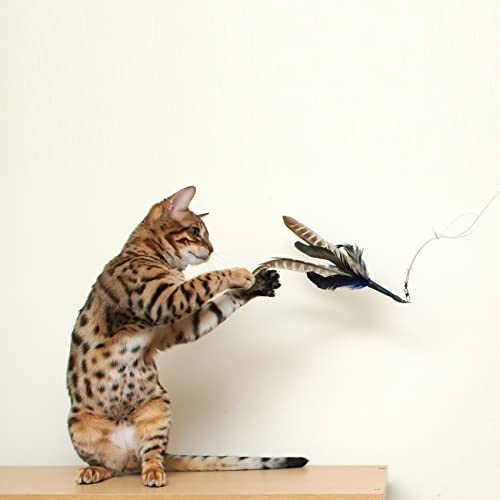
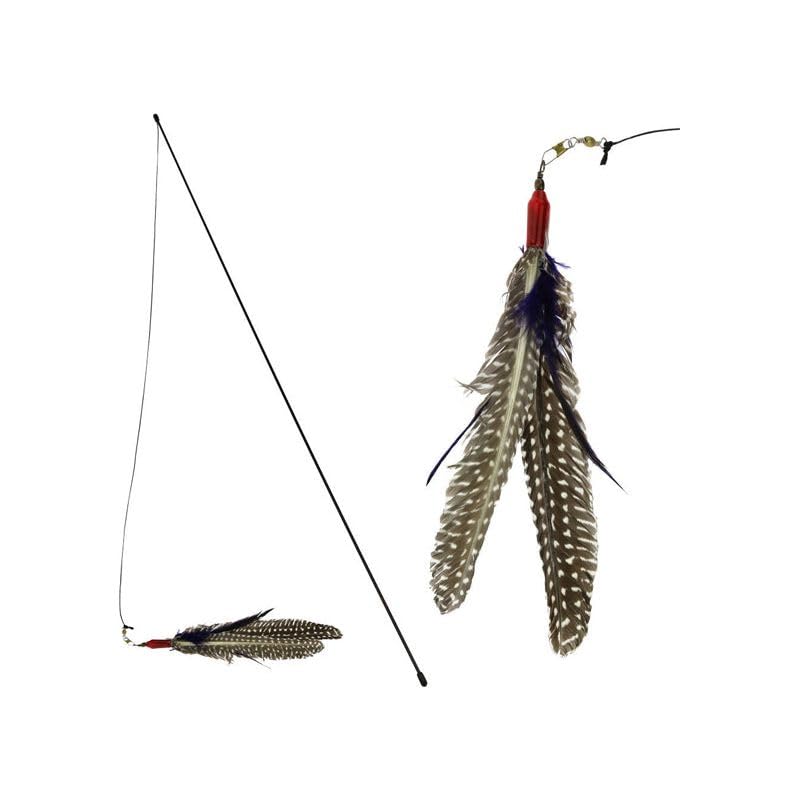
Best for burning off evening energy: GoCat Da Bird Rod and Feather
Who it suits: Young or active indoor cats who get loud and restless in the evening.
- A rod with a feather bird lure attached, according to the GoCat Amazon listing.
- Handmade in the USA, according to GoCat.
Watch out for: It only works when you play with it. Put it away after each session so your cat cannot chew the string, which is unsafe to swallow.
Our verdict: A short, intense play session before bed is one of the simplest ways to get a quieter night. Check current price.

Prime GoCat Da Bird Rod and Feather Cat Toy, Handmade in The USA (1 Bird)





As an Amazon Associate we earn from qualifying purchases. Product prices and availability are accurate as of the date/time indicated.
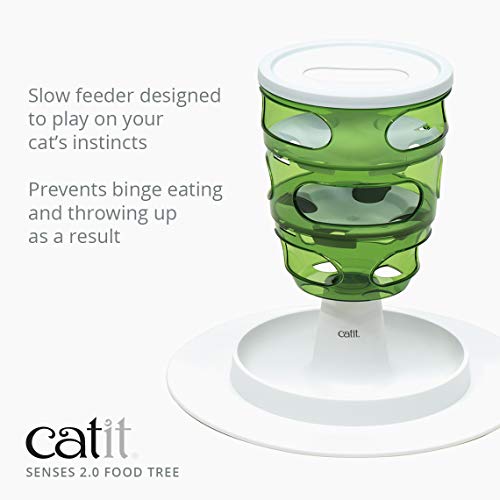
Best for cats who meow for food: Catit Senses 2.0 Food Tree
Who it suits: Cats who beg between meals, and owners who want food to come from a puzzle rather than from their hands.
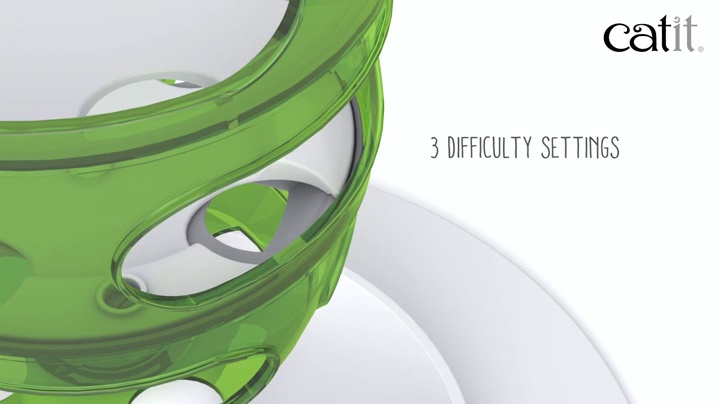
- A tree-shaped slow feeder, according to the Catit Amazon listing.
- Part of the Catit Senses 2.0 line, according to the listing title.
Watch out for: Some cats need help learning it at first, and kibble can end up on the floor. Measure the food into it from your cat’s daily amount so it does not add extra calories.
Our verdict: A helpful way to turn “meow for food” into “work for food,” especially during the day. Check current price.

Prime Catit Senses 2.0 Food Tree - Sturdy Tree-Shaped Slow Feeder






As an Amazon Associate we earn from qualifying purchases. Product prices and availability are accurate as of the date/time indicated.
When to See a Vet
Book a vet visit if your cat’s meowing comes with any of these:
- A sudden change in how much or how loudly your cat meows, especially in a cat over about ten.
- Weight loss, a bigger appetite, drinking more or peeing more. MSPCA-Angell links these with hyperthyroidism.
- Night waking, confusion, getting lost in the house or staring into space.
- Bumping into things or not responding to sounds.
- Meowing when touched, picked up or using the stairs, which can signal pain.
- Hiding, not eating or other new behavior changes. MSPCA-Angell says any significant behavior change is a reason to have your cat checked.
Go to a vet or emergency clinic right away if your cat cries in the litter box, strains with little or no urine, or yowls with signs of pain.
Quick Answers
Should I ignore my cat’s meowing?
Only after you have checked that food, water and litter needs are met and your vet has ruled out illness. Then, ignoring demand meows and rewarding quiet works better than giving in.
Is a lot of meowing a sign my cat is happy?
Often, yes. Greeting chirps and chatter during play are usually happy sounds. Pay attention to new, constant or distressed meowing instead.
Will getting a second cat stop the meowing?
Not reliably. If loneliness is the cause, a well-matched companion can help some cats, but a second cat is a big commitment and can add stress. Try more play and routine first.
The Bottom Line
So, why does my cat meow so much? Usually your cat has learned that meowing gets food or attention, or it has energy to burn. Meet the real needs, feed on a schedule, play before bed and reward quiet. If the meowing is new, or your cat is a senior, see your vet first, because thyroid disease, high blood pressure and age-related confusion are all treatable or manageable. For more help decoding cat behavior, see our guides to cat behavior and care.
Sources
Want to know how we choose products? Read How We Review, or go back to the BestPurrPicks homepage for more cat care guides.





Write Your Review
No reviews yet. Be the first to share your experience!