

Last updated: October 11, 2026
The short answer: When a cat keeps pooping outside litter box areas, start with a vet visit, because pain while passing stool, joint pain and digestive problems are common hidden causes. Once health is cleared, the usual fixes are simple: a bigger, low-sided box, scooping every day, an unscented clumping litter, a quiet spot and one box per cat plus one. Clean every accident with an enzyme cleaner and never punish your cat.
This guide is research based. It draws on guidance from the ASPCA and VCA Animal Hospitals and on the patterns owners describe. It is not a substitute for an exam by your vet.
First, Rule Out a Health Problem
Many owners assume the cat is upset or being spiteful. Cats do not soil to get back at you. Very often, something hurts. VCA Animal Hospitals explains that inflammation in the gut, such as inflammatory bowel disease, can make passing stool uncomfortable, and that a cat may then avoid the box. Cats with joint or nerve pain can struggle to climb into a box or hold the squatting position.
VCA also notes that kidney disease, diabetes and digestive disorders can make cats go more often and produce more stool, so the box gets dirty faster and the cat looks for a cleaner spot. And even after a problem is treated, a cat may keep linking the box with pain.
Signs that point to a medical cause:
- Hard, dry stools, straining, or crying while going.
- Diarrhea, mucus or blood in the stool.
- Stool dropped right at the edge of the box, as if the cat could not get in or hold the position.
- Stiffness, trouble jumping, or an older cat slowing down.
- Weight loss, drinking more, or a change in appetite.
Your vet will usually start with a physical exam and may check a stool sample and run urine and blood work.
Why Do Cats Poop Outside the Litter Box When They Are Healthy?
If the vet finds nothing, look at the box from your cat’s point of view. The ASPCA lists the usual reasons:
- The box is not clean enough. Some cats will pee in a box but refuse to poop in one that already has waste in it.
- Too few boxes. The ASPCA recommends one box per cat plus one extra.
- The box is too small or hard to get into. High sides and top-entry boxes are tough for older or stiff cats.
- The litter is wrong. Many cats prefer unscented, clumping litter with a fine texture, about one to two inches deep.
- Covers and liners. The ASPCA says most cats dislike them.
- A bad location. Busy, noisy or cornered spots, or a box next to food bowls.
- A bad experience. A loud noise or another cat ambushing them while in the box.
- Stress. A move, a new pet or person, or a change in routine.
Read the Clues: Where the Poop Lands
Right next to the box
A cat pooping next to litter box edges is usually telling you it wanted to use the box but something stopped it. Common reasons are a dirty box, a box that is too small, high sides, a hood or liner it dislikes, or pain when squatting. VCA describes elimination near the box as a sign of litter box aversion.
In one favorite spot elsewhere
A cat that keeps choosing the same rug, closet or quiet corner may simply prefer that spot or surface. Put a box there for a while, then move it slowly toward where you want it.
Around the house, in visible places
Stool left in open or prominent spots can be marking, which VCA links to anxiety or tension with another cat or person. It is less common than urine marking but does happen.
Step-by-Step Fix
- Book a vet check. Mention when it started, where the stool lands and what it looks like.
- Add boxes. Aim for one per cat plus one, in different quiet rooms, and one on each floor in a multi-story home.
- Go bigger and lower. A large open box, or a big storage tote with one side cut low, suits most adult and senior cats.
- Remove hoods and liners for a few weeks to see if that helps.
- Switch to unscented clumping litter about one to two inches deep. Change it gradually if your cat is attached to the old one.
- Scoop at least once a day and wash the box regularly with warm water and mild unscented soap.
- Clean accidents properly. Use an enzyme cleaner, and avoid ammonia-based cleaners, which can draw your cat back to the same spot.
- Make the old spot less appealing. The ASPCA suggests foil, double-sided tape or an upside-down carpet runner, or placing food bowls or bedding there.
- Never punish. Rubbing a cat’s nose in it or scolding only adds fear, which makes the problem worse.
A Good Enzyme Cleaner Helps
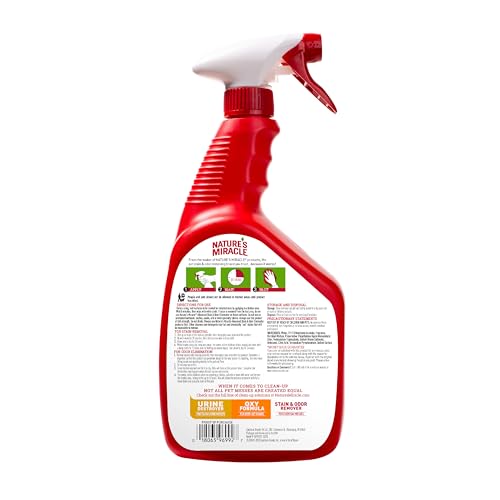
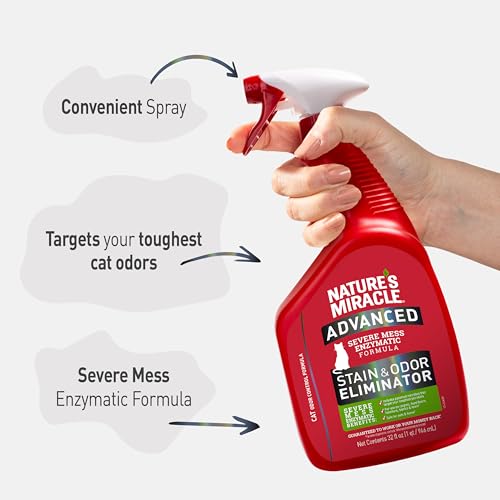
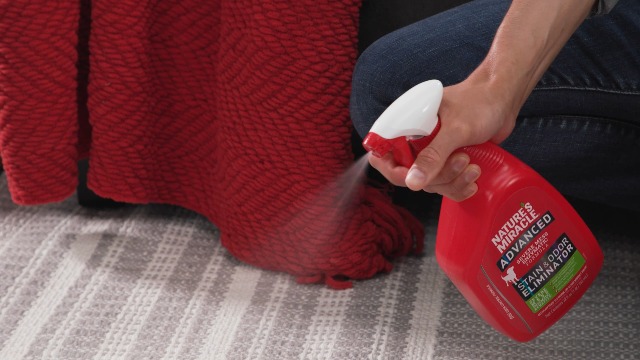
Nature’s Miracle Advanced Cat Stain and Odor Eliminator
Who it suits: Owners cleaning repeated accidents on carpet, rugs or floors.
- An enzyme-based spray made for cat messes, which is the type of cleaner the ASPCA recommends.
- Widely sold and easy to reorder.
- Works on soft surfaces where odor tends to linger.
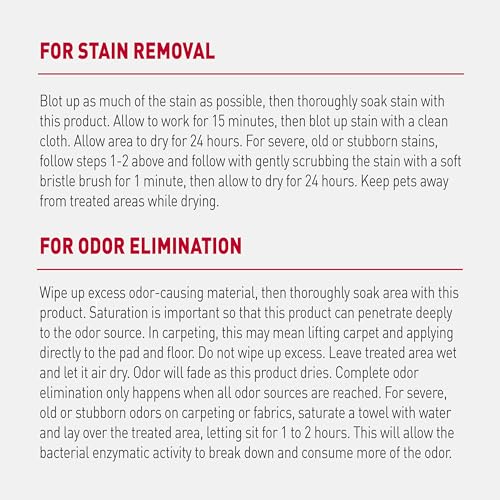
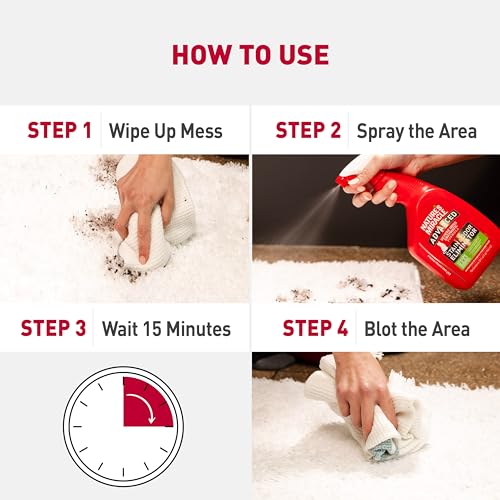
Watch out for: Enzyme cleaners need time to work, so follow the label and let the area dry. Spot-check fabrics first.
Our verdict: A sensible thing to keep on hand while you fix the cause, because a spot that still smells invites a repeat. Check current price.

Prime Nature’s Miracle Advanced Cat Stain & Odor Eliminator, Severe Mess, 32 oz


As an Amazon Associate we earn from qualifying purchases. Product prices and availability are accurate as of the date/time indicated.
If lingering odor is part of the problem, our guide No Smell Litter Box: The Habits and Boxes That Actually Stop the Odor covers box habits that keep smell down.
Multi-Cat Homes
With several cats, cats pooping outside litter box areas is often about access. One cat may guard the boxes or wait to ambush another. Spread boxes around the home so no single cat can control them, add perches and hiding spots, and ask your vet about pheromone diffusers. If you are thinking about an automatic box, a self cleaning litter box multi cat setup still needs regular boxes alongside it, because a robot does not solve the territory problem.
When to See a Vet
- Right away if your cat strains with nothing coming out, cries in pain, or has blood in the stool.
- Within a day or two for diarrhea that does not settle, vomiting, or not eating.
- Soon for any sudden change in litter habits, especially in a senior cat.
- If behavior changes do not help within a couple of weeks. Your vet may refer you to a veterinary behaviorist.
Quick Answers
Why does my cat keep pooping outside the litter box but pee inside it?
Some cats want a fresh box for each job. Try a second box right next to the first. If the stool is hard or your cat strains, think constipation or pain and call your vet.
My cat pooped outside litter box once. Should I worry?
A single accident after a scare, a move or a dirty box is usually not a concern. Clean it well and watch. Two or more accidents in a week is a pattern worth acting on.
Can a cat pooping outside of litter box be fixed for good?
Usually, yes, once the cause is found. The sooner you act, the easier it is, because the habit gets stronger the longer it goes on.
The Bottom Line
If your cat keeps pooping outside litter box areas, think pain first and spite never. Get a vet check, then make the box easy and pleasant: bigger, lower, cleaner, unscented, quiet and plentiful. Clean every accident with an enzyme cleaner and give your cat time. For more on box setup and litter choices, see our litter box reading list.
Sources
Learn how we research our guides on How We Review, or visit the BestPurrPicks homepage for more cat care help.





Write Your Review
No reviews yet. Be the first to share your experience!