

Last updated: October 11, 2026
The short answer: In the clumping vs non clumping cat litter choice, clumping wins for most adult cats: you scoop out urine as a solid clump each day, so the rest of the litter stays clean longer and odor stays low. Non-clumping litter makes sense for young kittens that may eat litter, for sifting systems with pellets, and for owners who prefer to change the whole box often. Whatever you choose, unscented and low dust is the safer default.
This guide is research based. It draws on a vet-reviewed litter guide from Catster, Whisker’s guidance on kitten litter and the ASPCA’s litter box advice.
How Each Type Works
Clumping litter, usually bentonite clay or some plant litters, forms a ball when wet. You lift the clump out and the rest stays dry and usable.
Non-clumping litter, such as basic clay, pine pellets, paper or crystals, absorbs urine into the litter bed. The urine spreads through it, so the whole bed slowly gets saturated and needs replacing. The Catster guide notes non-clumping clay is very good at neutralizing urine odor, but urine spreads much farther.
Side-by-Side
- Odor: clumping keeps odor down because urine leaves the box daily. Non-clumping can control odor well at first but smells once saturated.
- Cleaning: clumping means a daily scoop and less frequent full changes. Non-clumping means full changes about weekly, or daily sifting for pellets.
- Cost: clumping clay is one of the least expensive litters per month because you throw away less. Non-clumping is cheap per bag but replaced more often.
- Dust and tracking: clumping clay can be dusty and tracks more. Pellets and paper are low dust.
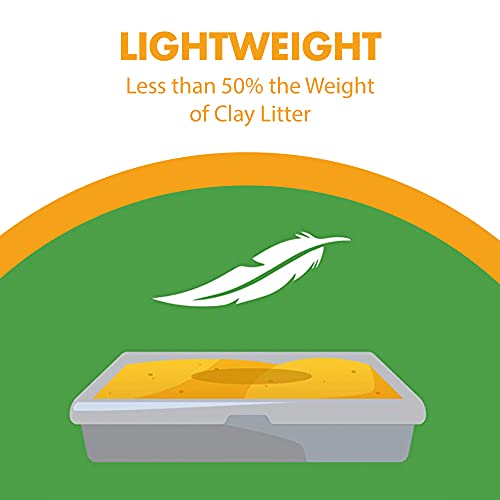
- Weight: clay is heavy. Plant litters are lighter.
- Cat preference: the ASPCA notes many cats prefer unscented, clumping litter with a fine texture.
So in clumping vs non clumping litter for a typical adult cat, clumping is the easier everyday choice.
Is Clay Litter Bad for Cats?
For healthy adult cats, clay litter for cats is widely used and generally considered fine. The concerns are dust, which Catster says can bother pets or people with breathing problems, and the fact that clay is mined, heavy and does not break down. If your cat sneezes a lot, or someone at home has asthma, choose a low-dust clay or switch to a plant-based litter.
The main safety issue is with kittens. Whisker’s kitten guide warns that eating clumping clay can be dangerous or even fatal for a kitten, because it can expand and cause a blockage. It suggests introducing clay clumping litter at around 3 to 4 months, and seeing a vet if a kitten still eats litter at 4 months.
Which Type for Your Situation?
- Most adult cats: unscented clumping clay.
- Young kittens: paper or pine pellets, or a plant-based clumping litter such as corn or tofu, which Whisker lists as typically safe for kittens.
- Automatic boxes: clumping only. Robots sift clumps out.
- Odor-sensitive homes: firm clumping, scooped daily.
- Low dust or allergies: paper or pellets, or a low-dust clumping formula.
- After surgery: ask your vet which litter to use while your cat heals.
Our Picks
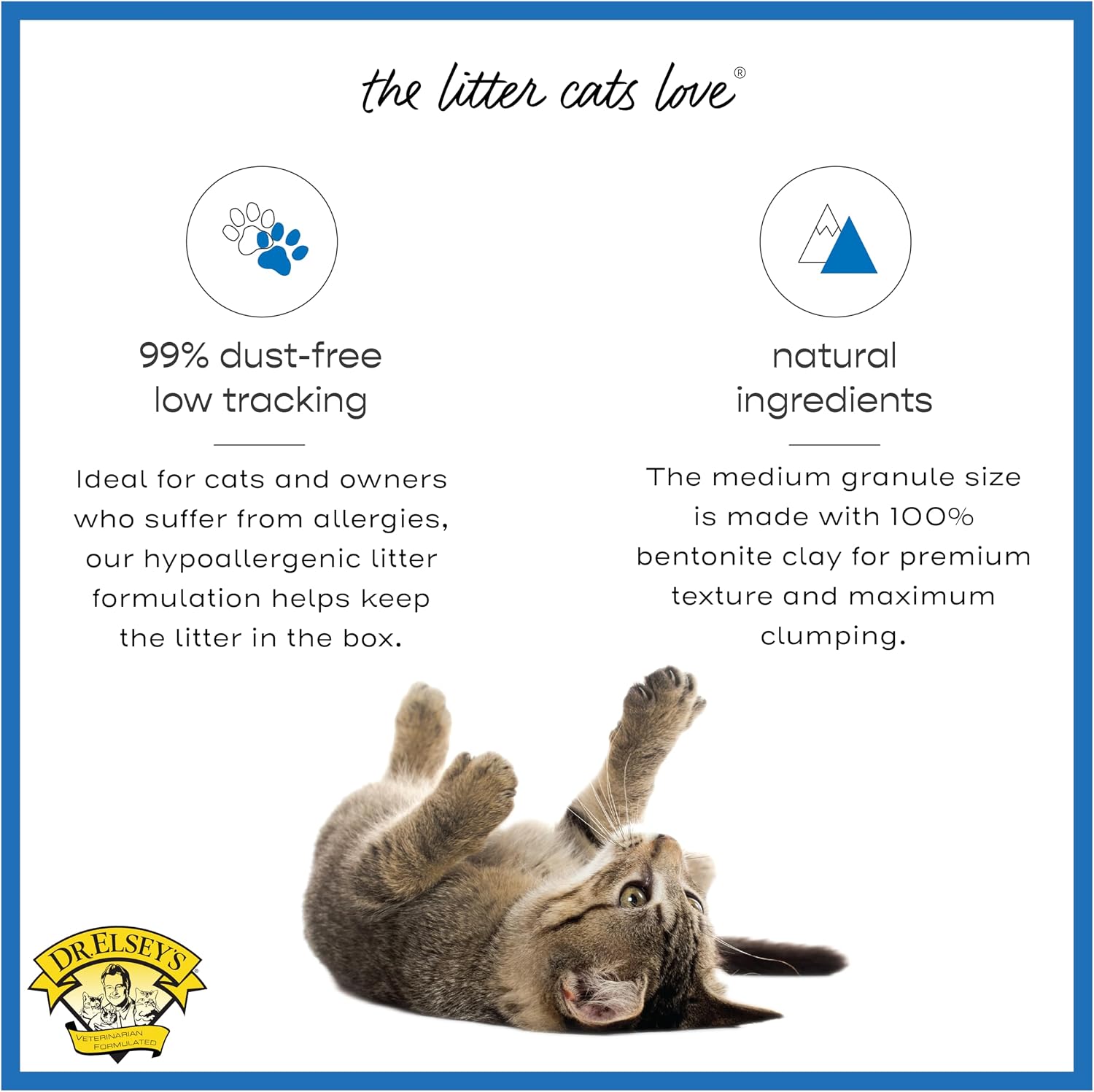
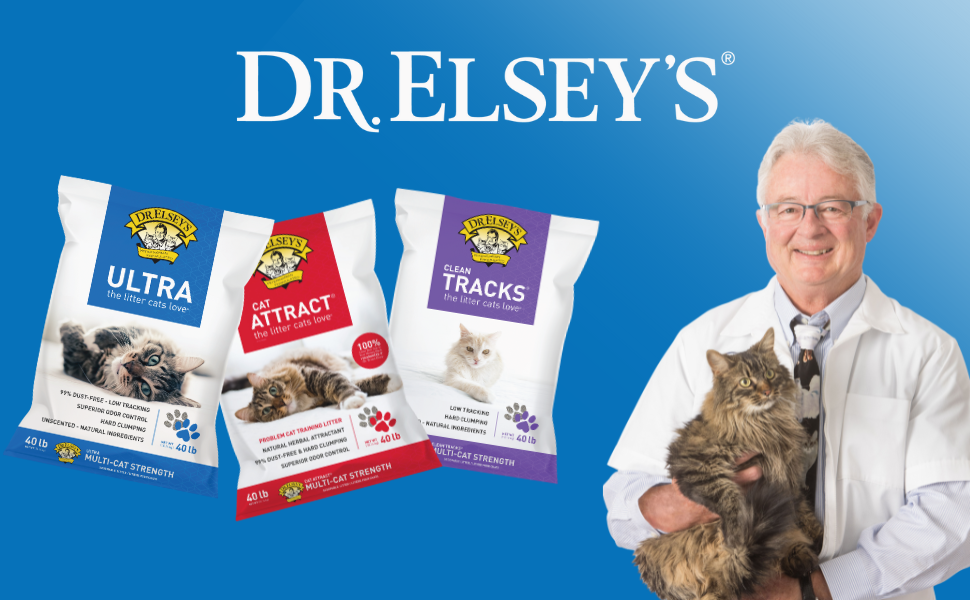
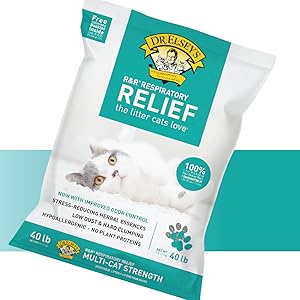
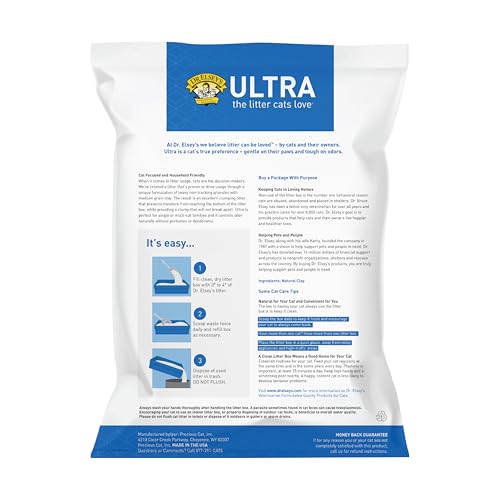
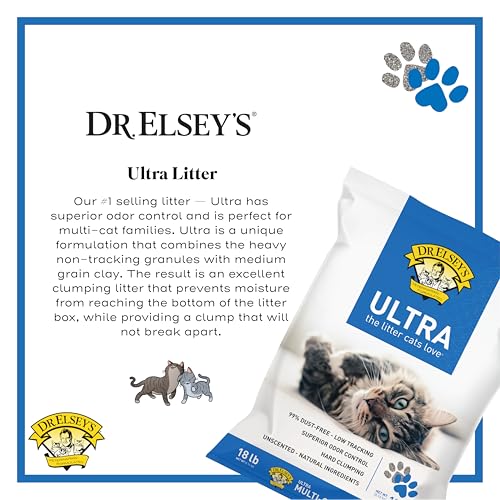
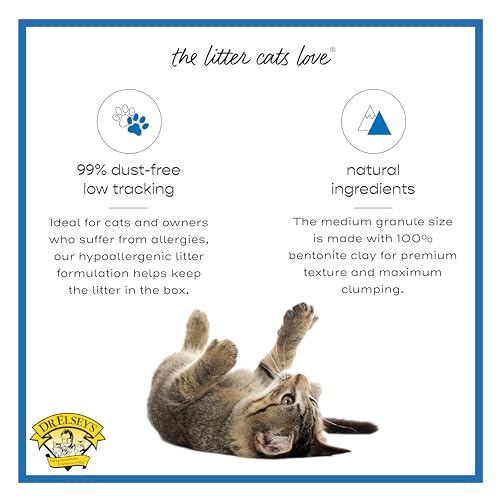
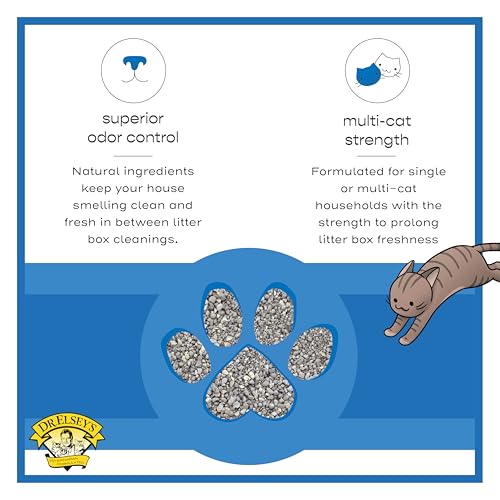
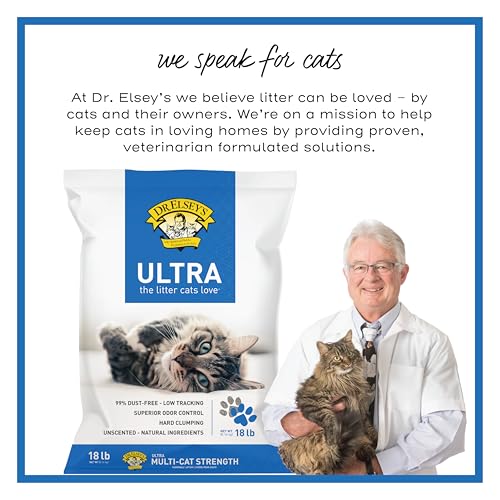
Clumping: Dr. Elsey’s Precious Cat Ultra Unscented
Who it suits: Most adult cats and owners who scoop daily.
- Hard-clumping bentonite clay with no added scent.
- A frequent top pick in independent litter roundups.
- Works in most regular and automatic boxes.
Watch out for: Heavy, and some dust when pouring. Not for young kittens.
Our verdict: If you are asking what is the best clumping cat litter for an ordinary home, this is a safe place to start. Check current price.

Prime Dr. Elsey's Ultra Unscented Clumping Clay Cat Litter 18 lb Bag





As an Amazon Associate we earn from qualifying purchases. Product prices and availability are accurate as of the date/time indicated.
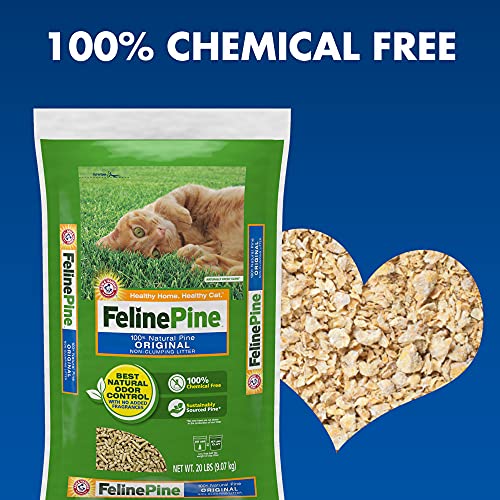
Non-clumping: Feline Pine Original
Who it suits: Kittens, low-dust homes and owners using a sifting box.
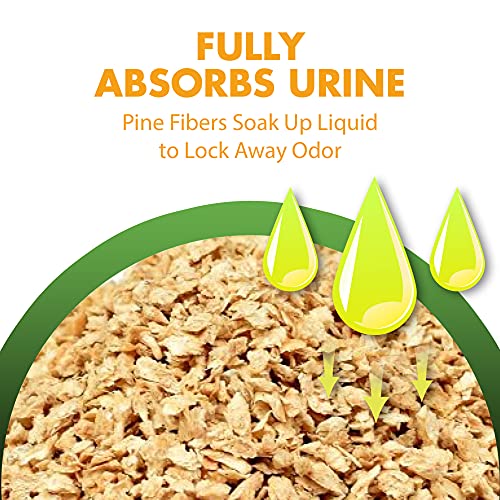
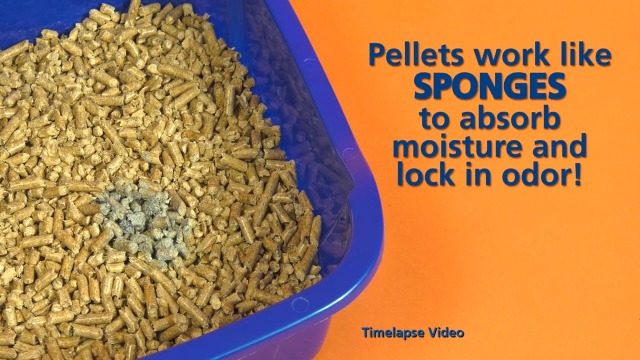
- Large pine pellets that turn to sawdust when wet.
- Low dust and low tracking.
- No added dyes or perfume.
Watch out for: Some cats dislike the feel. It needs sifting or frequent changes.
Our verdict: One of the best non clumping cat litter options for a natural, low-dust setup. Check current price.

Prime Feline Pine Cat Litter Original 7lb


As an Amazon Associate we earn from qualifying purchases. Product prices and availability are accurate as of the date/time indicated.
For more on how pellets work, see our guide to kitty litter pellets. If odor is your top concern, our roundup of the best odor control litter compares clumping options.
Switching Between Types
- Mix a quarter new litter into the old.
- Increase the share over one to two weeks.
- Keep a box with the old litter available if your cat hesitates.
Quick Answers
What is the best clumping kitty litter for multiple cats?
A hard-clumping, low-dust unscented clay, because weak clumps break apart under heavy use.
Can I mix clumping and non-clumping litter?
You can during a slow switch, but long term it gives you the downsides of both. Pick one.
Is crystal litter clumping?
No. Crystal litter absorbs urine and is replaced in full, usually about monthly for one cat.
The Bottom Line
For most adult cats, clumping litter is easier to keep clean and fresh. Choose non-clumping for young kittens, pellet sifting systems or allergy concerns. When you weigh clumping vs non clumping cat litter, think about your cat’s age, your box and how often you want to scoop. You will find every cat litter guide on the site in our litter section.
Sources
- Different types of cat litter, Catster (vet reviewed)
- Best kitten litter, Whisker
- Litter box problems, ASPCA
See How We Review for how we research, or visit the BestPurrPicks homepage.



Write Your Review
No reviews yet. Be the first to share your experience!