

Last updated: October 11, 2026
The short answer: Fruit flies in litter box setups, along with their look-alikes such as phorid flies and fungus gnats, breed in damp, decaying waste. The fix is to remove what they breed in: bag and throw out all the litter, wash the box, clean the area around it, and then keep things dry with daily scooping. Damp natural litters make the problem more likely, so a temporary switch to clay or crystals often helps.
This guide is research based. It draws on a vet-reviewed Catster guide to litter box bugs and Utah State University Extension’s pest notes.
Which Flies Are They?
The vet-reviewed Catster guide describes three common kinds of small flies in litter box areas:
- Fruit flies: tiny flies with reddish eyes, drawn to fermenting matter, including litter and trash.
- Phorid flies: also called humpback flies, they lay eggs in feces and other decaying waste. Utah State University Extension describes them as 1/64 to 1/8 inch long, with a humped back and eyes that are not red.
- Fungus gnats: small dark flies that look like tiny mosquitoes and breed in damp organic matter and plant soil.
Telling them apart matters less than finding where they breed. All three need moisture and rotting material.
Why They Show Up
Catster explains that litter boxes combine moisture, urine and feces, which attracts these pests, and that organic or all-natural litters tend to stay damp and can make it worse. Gnats in cat litter box setups are especially common with corn, wheat or wood litter that is not changed often enough. Nearby houseplants, drains and trash cans can also be the real source.
How to Get Rid of Flies in Cat Litter, Step by Step
- Bag and remove all the litter. Seal it and take it outside.
- Wash the box with warm water and mild detergent, or diluted vinegar or baking soda, as Catster suggests. Scrub corners and under the rim.
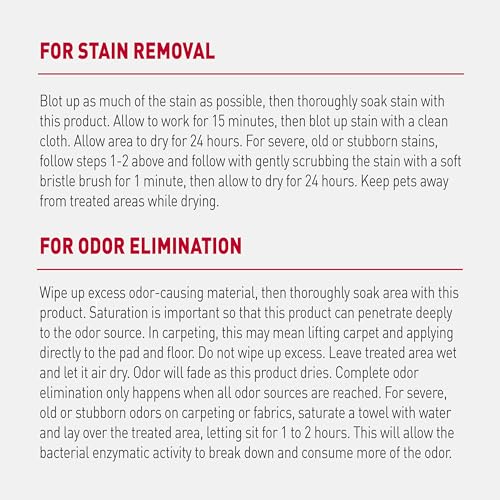
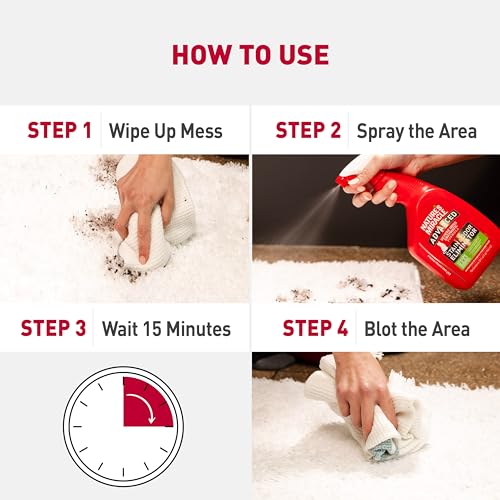
- Clean around the box. Wipe the floor, mat and wall, and use an enzyme cleaner on any spills.
- Dry everything fully before refilling.
- Refill with a drier litter. Catster suggests clay or silica for a while.
- Check other sources. Utah State lists drains, trash cans and damp plant soil as common breeding spots. Clean drains and seal trash.
- Scoop daily from now on so nothing sits long enough to attract flies.
Keeping Them Away
- Scoop at least once a day. Our guide on how often to scoop litter box waste sets out a routine.
- Change all the litter on schedule, especially with natural litters.
- Store litter bags sealed and dry.
- Keep the box away from fruit bowls, compost and plants.
- Take bagged waste out daily in warm weather.
If you like natural litter, you do not have to give it up. Corn and wood work fine when scooped daily and changed often. Our comparison of corn litter for cats and other natural options covers how each handles moisture.
A Cleaner for the Area Around the Box
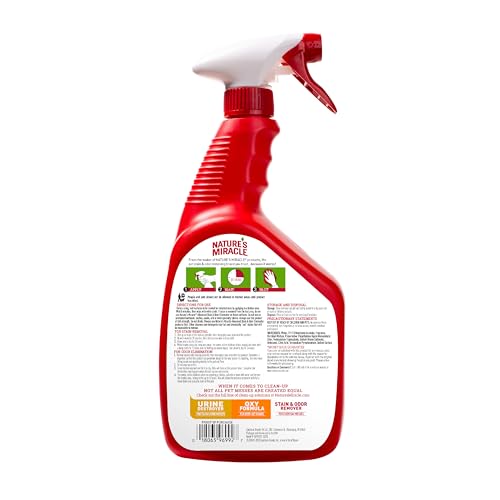
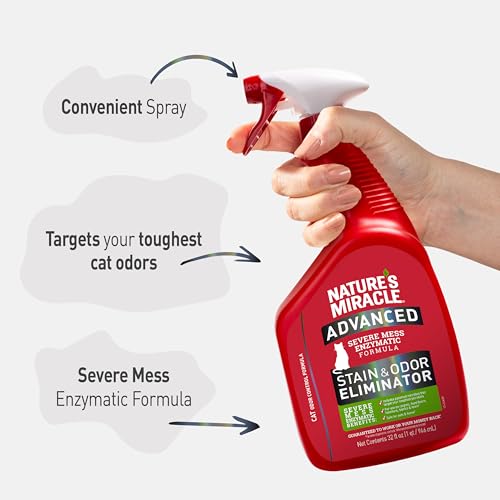
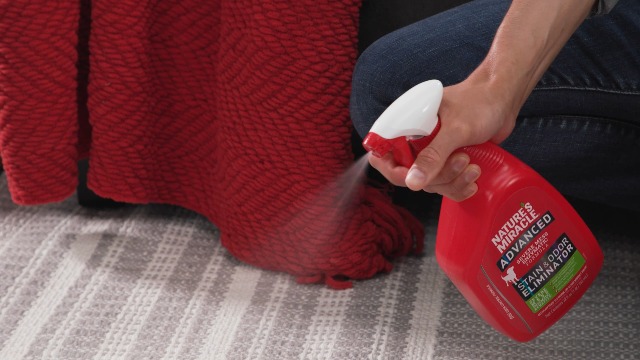
Nature’s Miracle Advanced Cat Stain and Odor Eliminator
Who it suits: Owners cleaning spills and residue around the box that may be feeding flies.
- Enzyme-based spray made for cat messes.
- Useful on floors, mats and walls near the box.
- Widely available.
Watch out for: Use it around the box, not as a substitute for washing the box itself. Spot check fabrics first.
Our verdict: A useful part of the clean-up, since residue around the box can keep litter box flies coming back. Check current price.

Prime Nature’s Miracle Advanced Cat Stain & Odor Eliminator, Severe Mess, 32 oz


As an Amazon Associate we earn from qualifying purchases. Product prices and availability are accurate as of the date/time indicated.
A Word on Sprays and Traps
Avoid spraying insecticides in or near the litter box, because your cat walks and grooms there. Ask your vet before using any pest product in a room your cat uses. A simple vinegar trap placed out of your cat’s reach can catch remaining fruit flies while you deal with the source.
When to Call a Vet
Most flies are a cleanliness problem. But Catster notes that tapeworm segments, which look like small rice grains near the tail or in stool, do need a vet. Maggots in stool or on your cat also need prompt attention.
Quick Answers
How to get rid of gnats in litter box setups that keep coming back?
Look for a second source, such as houseplant soil or a drain, and switch to a drier litter for a few weeks.
Are fruit flies in cat litter harmful to my cat?
They are mostly a nuisance, but Utah State notes flies like phorids can spread germs by contact, so clear them quickly.
Why are there gnats around litter box spots but not in the box?
Spills, a damp mat or nearby plants are likely. Clean and dry the area around the box.
The Bottom Line
Fruit flies in litter box areas mean something damp is decaying nearby. Throw out the litter, wash and dry the box and surroundings, check drains and plants, and scoop daily. Most infestations clear within days. More help is in our litter box troubleshooting guides.
Sources
See How We Review, or visit the BestPurrPicks homepage.







Write Your Review
No reviews yet. Be the first to share your experience!